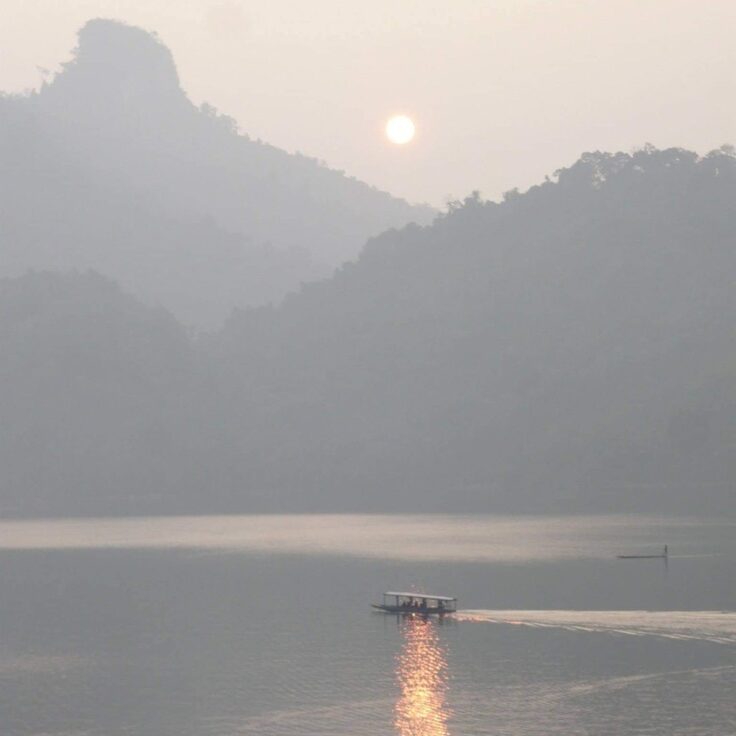
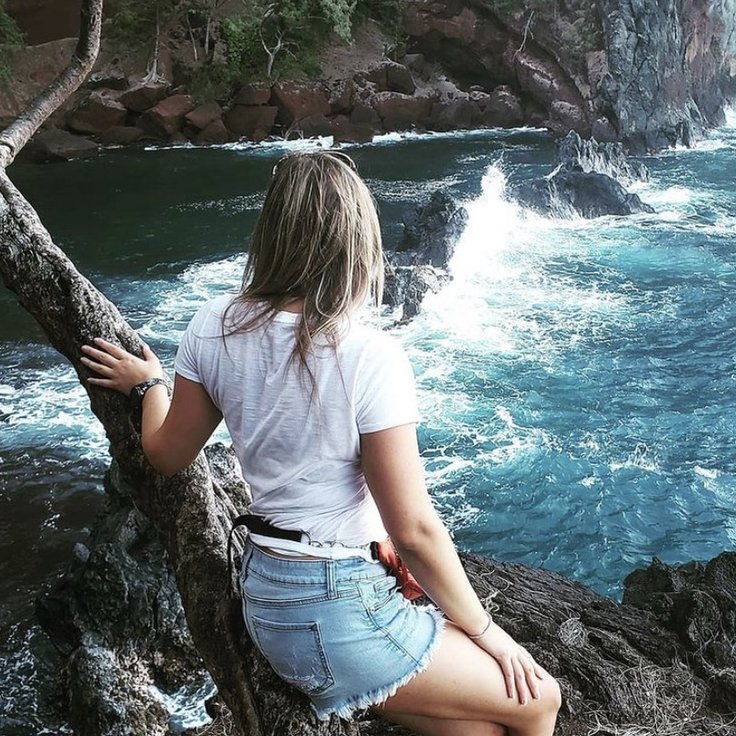
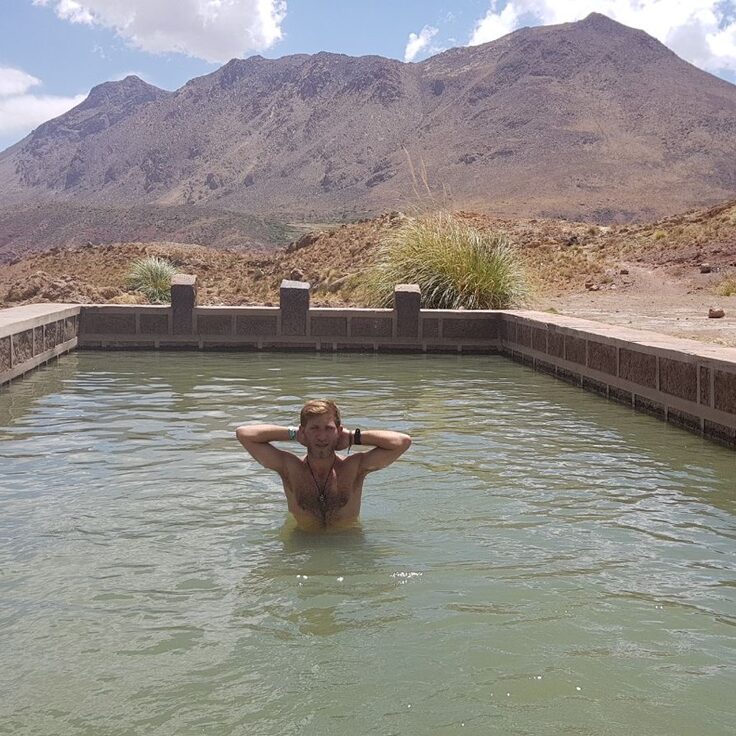
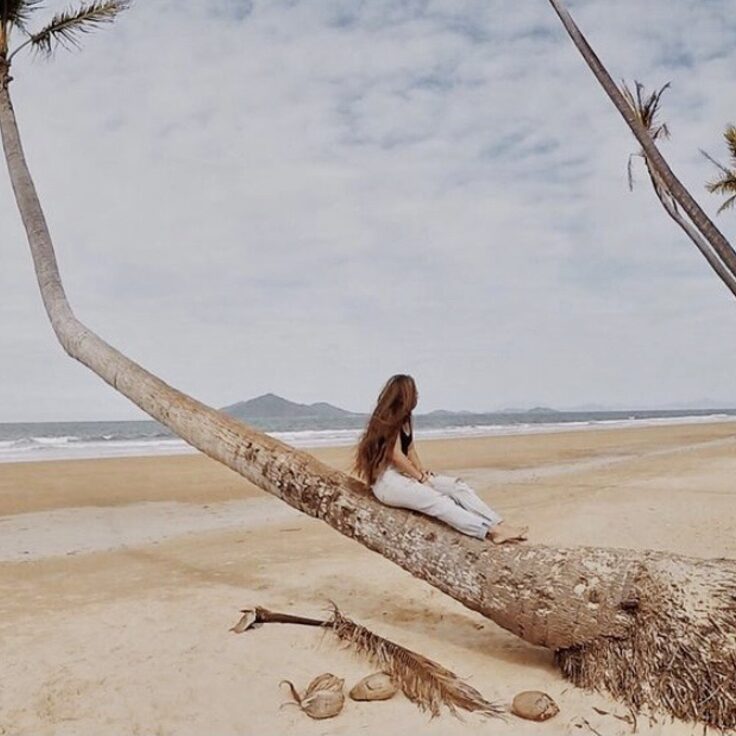
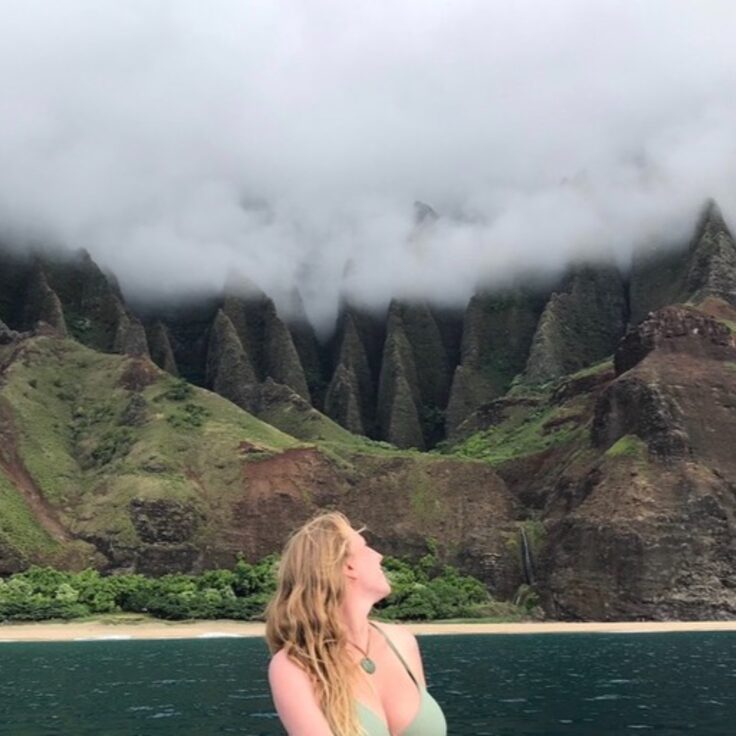
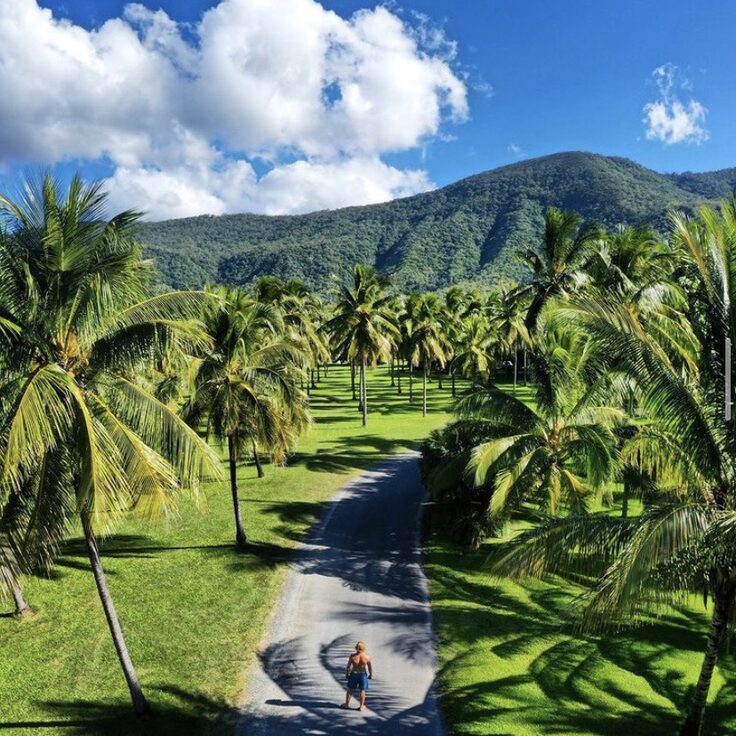
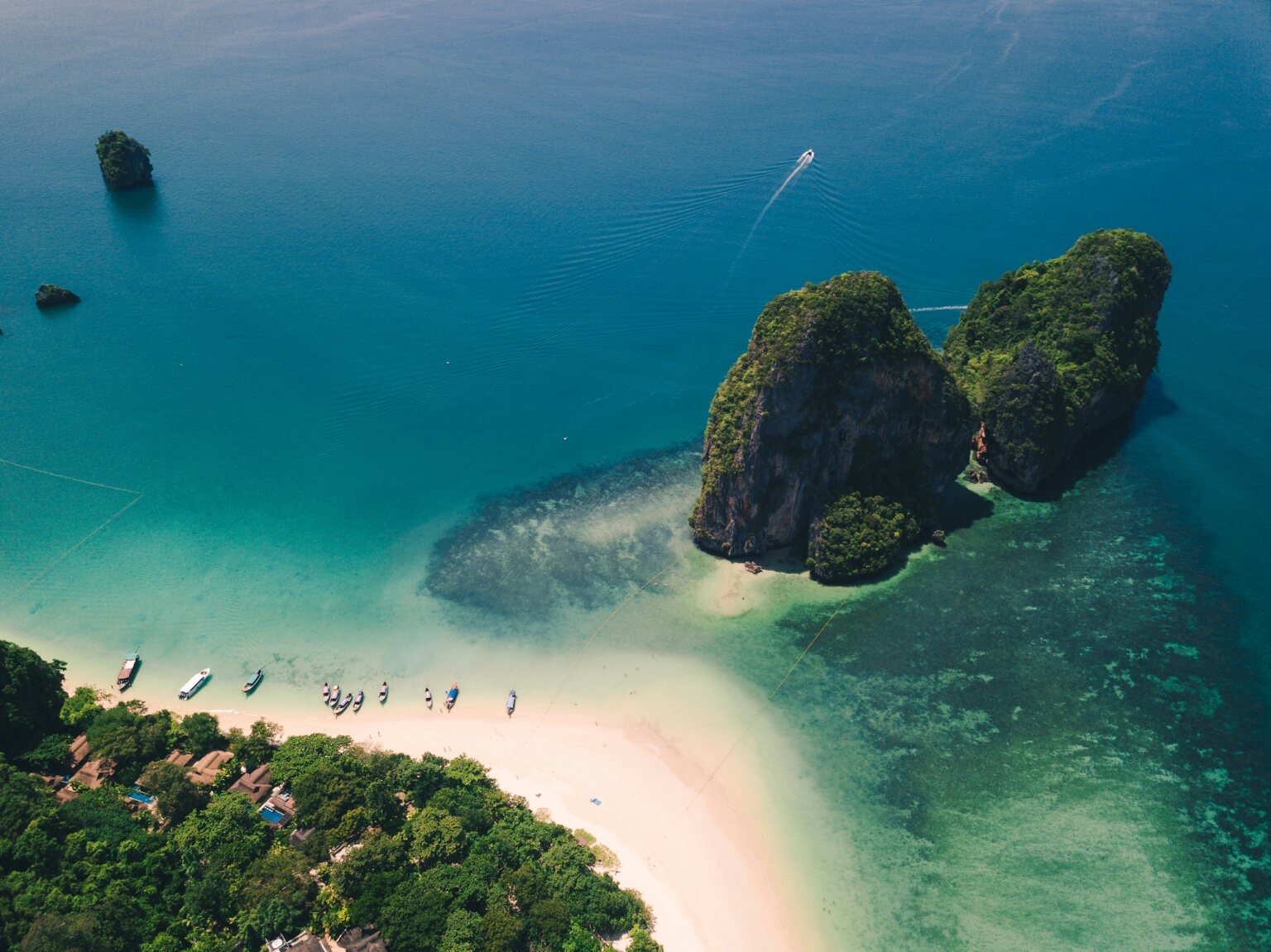
Tropical cliffs and blue water

The Escape Journals

Moving To A Foreign Country

Building a life somewhere new: the paperwork, the loneliness, the language barrier, and the moment it starts to feel like home.

Featured Stories

Found Love on the Other Side of the World

Elisabeth

Travel photograph for Elisabeth's story

I was scared too—wondering what could happen to me and how everything would turn out. I think it’s really important to travel with an open mind. You should never overthink things you can’t change in the moment. It’s always good to plan a few things before you go, but I’m more the type of person who makes decisions along the way.

I also really wanted to develop my English skills. I loved speaking English in school, but I never felt fully confident or able to talk about everything. At first, I could talk about almost anything, but I didn’t always form sentences correctly, and I wasn’t eager to talk to people all the time. It was hard for me to follow conversations, especially when it came to understanding Aussies. However, you get used to it if you stay in the country long enough. I didn’t use language apps, just Google Translate now and then if I didn’t know a word, and I was so glad I had learned a good basic level of English in school—it made everything so much easier.

Read More

Australia was the best thing that could have ever happened to me. I’m now engaged to an Australian, and we’re planning to get married next year. We’re just about to apply for the partner visa for me, and everything is so exciting. I miss my family and parts of my old life, but with what I have here, I have more than I could ever need: a wonderful fiancé, a wonderful second family, and a wonderful country with friendly, relaxed people. I’ve found myself and experienced real love for the first time in my life. I didn’t expect any of this before I went on this incredible journey.

Always stay positive and don’t worry about things you can’t change. I’ve experienced a whole different world, a different lifestyle, and I love it. If you want to go to a foreign country, speak at least a little bit of English—it always helps you interact with others—and be a little interested in the country you’re going to. But if I could give any advice to someone, I’d say: just go for it! Travel the world and collect as many memories as you can!

Cairo, Oahu, Portugal

Anthony

Travel photograph for Anthony's story

When I was 21, I left to study abroad in Cairo during my junior year of college. I had two close friends who would be joining me at the American University in Cairo. It was January 2011, and we arrived in Cairo five days before the revolution began to overthrow President Hosni Mubarak. As the protests quickly turned violent and buildings and vehicles burned, we were forced to leave Egypt and our dreams behind. It was perhaps the first monumental wake-up call of my adulthood.

Experiencing different places and people around the world is a gift that not everyone is afforded. Those of us with this privilege should take care to study the sociopolitical climate of the regions we choose to visit and understand that there are always forces at work beyond our control. My friends and I were fortunate enough to have our study abroad program transferred to Koç University outside of Istanbul, Turkey.

Read More

At 22, I moved to Oahu after graduating from the University of Pittsburgh. I had never been to Hawaii before, and I arrived with three suitcases, a backpack, and a lump in my throat. This risk, however, definitely paid off when I found myself in the most naturally colorful and beautiful place I had ever seen. I thrived there for three years, coming into my own as an adult and making some of my life’s most important friendships.

When I was 25, I moved from Hawaii to Portugal to pursue a master’s degree in archaeology. I didn’t know anyone personally before I arrived, although I had made some connections on social media. Once again, I made friends quickly and always managed to find a travel buddy when I wanted to take a weekend or holiday trip to another city or country. In terms of major life moves, I’ve always done it alone. But when it comes to smaller getaways, I definitely prefer the companionship of a close friend.

I have always been fascinated by language and linguistics. Traveling to places where few people speak English can be such a rush. Personally, I can master the basics quite easily, but achieving greater proficiency takes a lot of time and practice. I studied Spanish and Arabic extensively in school, and I also used Duolingo to learn a bit of Portuguese and Italian. When interacting with waiters, shop owners, and sales clerks, I always tried to speak their language, even if it was difficult. The more I attempted to speak the local language, the easier it became. However, when I slacked off, even for just a few days, it became difficult again.

I’ve definitely experienced people trying to scam me. Taxi drivers in Istanbul have tried to lie about how much I owe them. Pickpockets in Lisbon have tried to swipe money from me while I was at an ATM. Egyptians in Rome have tried to rob jewelry from me. An old man in Cairo sold me way too many types of cheese from his street cart (I don’t think I got ripped off, but my stomach was unhappy the next day). Knowing at least some simple words like “no,” “stop,” and “enough” can really go a long way.

A Phrasebook and a Kind Stranger

Jenna

Travel photograph for Jenna's story

My first time moving abroad was when I moved to Spain for a year. I was 18 years old and was going to be an au pair (living with a family, teaching the kids English, learning Spanish, etc.). Since I was an au pair, a lot was already set up for me: I had a room in the family’s house, food was included, and I received pocket money every week. As it was my first time abroad, I had worries and was nervous about things like the family not working out.

I chose Spain because I clicked with the family I was staying with. I had no knowledge of Spanish culture, the language, or the food—nothing. It excited me because it was something new, something I could learn. Don’t judge me, haha, but I bought one of those pocket handbooks with common phrases and sayings to help me get by (this was before smartphones). I carried it everywhere, and whenever someone taught me how to say something, I’d jot it down.

Read More

During my first week in Spain, I signed up for Spanish classes. While trying to find the building, I got completely lost (again, no smartphones). I went into a supermercado (grocery store), pulled out my phrasebook, and nervously said, “¿Dónde está la escuela de español?” I was so worried she wouldn’t understand me and was panicking about being late. To my surprise, the woman, who had five other customers waiting, told them to wait outside (or at least I assumed that’s what she said) and walked me all the way to the building I was looking for. I was absolutely blown away by this incredible act of kindness and fell in love with Spain right then and there.

I took Spanish classes for the entire year I was there. The classes were helpful, but honestly, getting out and speaking with locals is what truly improved my Spanish. For the first six months, I was too nervous to talk to anyone and stuck close to my English-speaking friends. After Christmas break, I returned to Spain determined to stop worrying about what others thought and focus on learning. I started going to Spanish bars, attending intercambio (language exchange) sessions, and practicing with anyone I could. My Spanish improved drastically.

The second time I moved abroad was to live in Scotland for four months in a dorm, as part of a university exchange. This time, I had to find accommodation and organize more details, such as cooking and cleaning up after others. I joined the netball team, which is a popular sport in Scotland, because it was something new and a great way to meet people.

The third time was my most recent adventure, spending over six months in Spain and Ireland. I normally plan my trips thoroughly (I literally make an itinerary), but for this trip, I wanted to try not planning anything and just go with the flow. Last year, I traveled to Hawaii in May, and as usual, I had planned to stay in two different towns. I ended up loving the first town but had to leave because I had pre-booked accommodation, etc. That experience made me want to try traveling with no plan and see how it went.

At first, I was very stressed, as I usually have so many things planned and lots of information to go on. But after two weeks, I began to see the beauty in not always having a plan. It was a different kind of ‘free’ feeling that I had never experienced before—it was super refreshing. At the beginning of this adventure, I completed the Camino de Santiago (Northern Route). I would wake up whenever I wanted (no alarm) and walk until I was too tired to continue.

After the Camino, I decided I didn’t want to be tied down to an apartment or be looking for a job, so I chose to try volunteering. I decided to volunteer to save money on accommodation, meet new people with like-minded interests, and travel around as well. I also volunteered at a dog shelter, and both experiences were absolutely amazing!

As embarrassing as carrying that guidebook felt at first, it was incredibly helpful! These days, we have Google Translate for instant assistance and apps to help us learn languages before traveling. Even so, I think it’s important to try speaking the local language wherever you travel. It immerses you in the culture, and people genuinely respect you for making the effort. In my experience, tourists are always prime targets for scams, whether they speak the language or not, so it’s important to stay cautious. That said, when I traveled to English-speaking countries, it was obviously easier to express myself. But in Spanish-speaking countries, when I was able to hold conversations and explain myself, I noticed people respected me more for trying. Being able to speak a foreign language is such a special skill—it connects you to so many people and places around the world.

Your Eyes Can Say So Much

Thomas

Travel photograph for Thomas's story

Haha... That question is so American, haha...

When you’re not an English native speaker, well... almost every country in the world doesn’t speak your mother tongue. So if you’re open to the idea of traveling, you have to be prepared to face this challenge. And the answer to this challenge is: the English language. Thank you, guys.

About 70% of the countries you might visit will speak English or at least enough for you to get by. The remaining 30% (mainly remote areas, islands, or Asian countries like Cambodia, Vietnam, and China) puts us all in the same boat: signs, Google Translate (if you’re lucky enough to get Wi-Fi), and a lot of smiles and laughter.

Read More

And yes, it’s a beautiful experience, of course. You realize that if you’re not too shy, your eyes can say so many things. True friendship doesn’t necessarily require a lot of words...

Also, some people might think it’s cheesy, but it’s far from it. Sometimes the best way to communicate is through generosity and genuine love. Show interest in the little things in the locals’ daily lives, even if you don’t understand a single word. Smile, don’t be afraid to look ridiculous, respect their ways, and use patience. You might be surprised by the strength of the bond you can create by doing so—even without a single fully correct sentence shared in months.

The Bravest Thing I’ve Ever Done

Krista

Travel photograph for Krista's story

Moving to a new country—holy shit—it’s absolutely insane. I personally think it was the bravest thing I’ve ever done. Buying a one-way plane ticket, packing up everything, and just walking away from your life—it’s so incredibly scary, but also so exciting. It’s literally like when women say giving birth hurts really badly, but once they see the baby, it was all worth it. That’s what moving to another country is like.

I was doing a work-study in London for five weeks when I was offered my relocation. I was literally shaking when I heard the words come out of their mouths. I had been praying and building my life toward this exact moment for four years, and it was happening. How was I going to tell my family? How was I going to tell my boyfriend? Should I even tell them? Am I doing this? Am I strong enough? These questions frantically danced in my head. I, of course, really wanted this to happen and felt backed into a corner to say yes to my dreams, but on what terms? Since I was moving with a job, certain things depended on what they wanted.

Read More

This was the tricky part—they wanted me to move ASAP, and HR was a complete mess since this wasn’t something they did often. My family was really happy for me but obviously upset that I wouldn’t be around daily anymore. When it came to my boyfriend, though, my communication was completely wrong. I told him that I was doing it, and that was it. I didn’t give him the opportunity to express how he felt, and I didn’t work with him to figure out what would be feasible for our relationship. Looking back, he’s a saint for dealing with me through that—especially after he had just moved from England to make our relationship work. A big lesson I learned about moving abroad is that, as much as it’s about you, it’s also about your loved ones. You can’t decide for them how they feel about your move or their choice in it. Have the conversation with an open mind and keep the dialogue going. Don’t just tell them, “I’m doing this, and that’s it.” Take it from me—I learned the hard way, so you don’t have to make the same mistake.

I found the visa process and housing to be the hardest. Although I had my job to lean on for support, I knew nothing about the areas in London or where the best place to live was—and blogs can only tell you so much. So, I reached out to co-workers who helped me find my apartment. Against all advice, I secured it before seeing it in person. Luckily for me, it turned out perfectly. I’m in a great location, and the house is wonderful. Be very careful when looking for a place to live and the process behind it. Read all contracts thoroughly and ask all the necessary questions.

The visa process—KEEP ALL OF YOUR PAPERWORK AND READ EVERYTHING CAREFULLY. Never in my life have I been as organized as I was with my visa documents. If you mess up the paperwork, it can affect other things in the future. Take your time, stick to deadlines, and make a calendar of everything you need to do. Everyone’s process is different, so talk to your lawyer or advisors if you have any questions. Double-check your paperwork before signing anything.

My job has treated me really well through the move, which took a lot of the anxiety out of the financial and job security side of things. Since I didn’t have to worry about that, it left me to worry about friends and fitting in. Most of my first few months were spent making my room and house comfortable. I was alone most of the time, and that eventually started eating me alive. I would turn to my family and boyfriend and take my stress out on them or get upset when they didn’t understand. Luckily, my poor boyfriend had moved overseas too and had felt a lot of the same feelings. He’s been able to help me through it. Although it’s particularly rough for us, I really appreciate the times he’s worked with me to help me through it. My parents have always been there for me, talking me through everything and helping me get back on my feet. This is so important when moving—having a support system. For me, that’s how I thrive, but everyone is different. So, handle it in whatever way works for you.

I’m also an introvert when I don’t know people. I love meeting new people, but it’s very hard for me to just jump out of my house and make a bunch of friends—especially in a country where drinking is the favorite pastime. It’s not for me, so I’ve found comfort in my co-workers, who are absolutely amazing people and friends. I really want to continue branching out, and a big step in that is saying ‘yes’ as much as possible. Whenever someone asks me to do something, I try to agree. I’ve been very lucky to have people in my life who ask me out and help me enjoy my time here.

The first time I came to London, I was terrified to leave my hotel room in some of the clothes I was wearing. As stupid as it sounds, I felt like I stood out from a mile away as an American—and in Europe/UK, I felt like there was a certain stigma surrounding Americans (shocker, there is!). London is one of the most accepting cities in the world—with a huge mix of cultures and styles, you can be whoever you want. Once I got over myself, I felt completely comfortable here. Of course, people will make fun of my accent or how I say certain phrases, but don’t take yourself too seriously. Laugh about it! It makes people like you more, and you can make fun of them right back. British culture thrives on banter.

Language-wise, Europe has been relatively easy as an English speaker, since the majority of countries are bilingual or multilingual. However, to be polite, you should learn some key words and phrases in the native language. This shows respect and that you’re at least making an effort to engage with the culture. Most people are very forgiving when there are communication gaps, and you can always use gestures or rely on someone’s kindness to help. Remember that not only are you representing yourself, but you’re also representing your country. If you’re American, people can often tell right away, and that can create certain expectations or stigmas, so remain patient and polite, regardless of how others might treat you because of language barriers. I’d never let language anxiety stop me from exploring new places!

Banks: use TransferWise to get direct deposits, contactless cards, and to transfer or send money. It’s been a blessing! You don’t need an international number to get the card.

It’s hard to move—but it’s also one of those things where you just have to dive in and learn along the way. But this is your opportunity to travel, learn something new about yourself, reinvent yourself, inspire someone, and inspire yourself. The positives far outweigh the negatives. And the worst thing that can happen is you don’t like it—you can always move home. You’re not a failure; sometimes things just don’t work out, and that’s okay. Just promise you won’t give up until you’ve tried everything you can to be happy.

A New Start, in a New Language

Ludvig

Travel photograph for Ludvig's story

My mental process of moving to another country wasn’t that complicated. I was already in a mindset where it just felt normal that anything could happen if I wished for it and allowed it. I didn’t overthink it too much; I just saw it as another step, or phase, in my search for new experiences.

Of course, there were still many fears: Would I find jobs that I liked? Would I find joy while growing as a person and realizing my dreams? I already knew that I wouldn’t earn as much money, and it didn’t bother me because that wasn’t my reason for going. However, I decided instinctively to keep going, and that’s what helped me overcome those fears.

Read More

It’s natural to have these kinds of fears, but they are NOT a reason to stop trying new things or exploring yourself through your surroundings.

I am Swedish, so I can’t travel anywhere without leaving my mother tongue behind. Thankfully, I’ve had the privilege of learning English from a young age. Still, there were many gaps in my English when I traveled using it, and I purposely strived to improve my speaking ability. I decided to only read books in English, and I would write down new words I learned, both from other people and from the books and movies I watched.
When I traveled to a country where English was of no use, I resorted to a combination of apps, body language, and smiles to get around and be understood well enough. It was stressful at times—feeling lost and constantly on the edge of being scammed. I managed to stay safe from scams (except for a few occasions, but hey, it’s all experience) by trusting my gut. I turned down offers from English speakers if my gut told me the situation was shady or that I might have other options to explore.

The pros of these experiences are that they greatly challenge you to trust yourself and how you approach people and your surroundings. The cons are that it can be tiresome doing this for a long time, but still, the world is too large to believe you can get around using just one language all the time.

The pros of moving to another country are many. To me, the main benefit was the feeling of “a new start.” It gave me the motivation to keep creating the person I want to be.

The cons could be the physical distance from family and my home country. I don’t see these as big cons, though. It was sad not to see them for such a long time, but when I came back to visit, I realized it’s just a part of life that we sometimes part ways for a while.

Advice from my future self to my past self: just do it, relax, enjoy your time, and take care of your time here. Be young, and take risks.

Second Grade, No English

Mahta

Travel photograph for Mahta's story

When my family and I moved to the US from Iran, I was very young, so I don’t remember much of the process. For me personally, the hardest thing to cope with was the language barrier and not being able to speak English. I remember starting second grade and not knowing anything at all. Fortunately, I had great tutors and teachers who helped me along the way.

Since then, I’ve traveled to many countries where the local language was different from my own. I would definitely recommend Google Translate, as it has saved my ass many times. I never bought language books or downloaded specific apps because I just expected myself to figure out a way to communicate while in the country. The good thing is that English is spoken so widely across the world that even with broken English, many places can still communicate and help you.

Read More

Of course, in some countries, if they see you’re an American traveling there, they like to raise their prices and charge more (that’s even happened to me in my own homeland, so I guess it’s completely normal). The good news is that in many places, you can bargain and negotiate a better price. Or, you can do the trick of walking away, and they’ll often call you back and offer the same price or a lower one—LOL, it works every time!

Paying the Gringo Tax

Kel

Travel photograph for Kel's story

My desire to travel to Colombia wasn’t based on the fact that the primary language was different from mine; rather, I didn’t see it as something that should stop me from going. Before heading off, I was nervous about how I would communicate, so I started using Duolingo occasionally. I highly recommend it, though I wish I had been more dedicated. However, the biggest teacher was simply being there—immersed in the country, where situations forced me to speak broken Spanish out of pure necessity.

There were definitely moments when I relied heavily on the Google Translate app, but as time went on, I used it less and less as I picked up more of the language. It was both beautiful and stressful. Some days, even when I hadn’t done anything physically demanding, I felt completely drained. It could be exhausting, especially when I spent time with my partner’s family. I was often obligated to engage in conversations much more frequently than I would even back home in Australia. The added challenge of deciphering what was being said while trying to express myself with limited vocabulary made it even more tiring.

Read More

If you’re planning to learn a new language, I can’t stress enough the importance of practicing regularly. Definitely download Duolingo and start practicing. Find a friend in your hometown who speaks the language you want to learn and practice with them. It won’t work if you rely solely on the app.

As far as safety goes, I felt completely safe 99% of the time during my trip. When it came to scams, I had no issues—100% scam-free. That said, it’s almost a given that if you’re a traveler who doesn’t speak the local language and doesn’t have a Colombian or Latino friend with you, you’ll end up paying more. It’s the “gringo tax.” If you can express yourself well enough to negotiate or barter for fair prices, go for it. If not, just let it roll off your back and remember that what you’re paying is likely still a fraction of what you’d spend in your home country for the same product or experience. Everyone is just trying to survive.

See 24 more stories

A Stranger at the Train Station

Chelsea

Travel photograph for Chelsea's story

I’ve been to many places where English wasn’t the majority’s first language, such as Thailand, Greece, Japan, and Korea, to name a few. But honestly, I’ve never had a very hard time communicating with people. In all these places, people at least understood a little bit of English, or signs and maps had English options. The world is so well-connected these days, so if you’re worried about language barriers and it’s making you hesitant to travel, don’t let that intimidate you. Locals are usually very helpful in any way they can be, and they want to communicate with you.

I was once in Japan at the train station with my boyfriend at the time, and we must have looked pretty confused because a Japanese woman came up to us and asked if we needed help. She explained that she wanted to practice her English with us, so we were happy about that. We told her where we needed to go, and she actually went with us from one train to another, which seemed to be at least a little out of her way. She then gave us great directions for the rest of the way, and after that, we had no problem getting where we needed to go. It was such a wonderful experience and really showed how caring people can be.

Just Show Him the Address

Ben

Travel photograph for Ben's story

So, I went to South America, and I’m Israeli. My first language is Hebrew, and my second is English. In South America, not many people speak or understand English, so I had to prepare for that. I believe that if you come ready for every event in your life, it will make you a bit less stressed about it.

I arrived in Ecuador at 1:00 AM from Miami. It was dark outside, and not many people were at the airport. My partner and I went out and got a taxi from the airport to the hostel, which was about a one-hour drive. This was the first time in my life that I found myself in a situation where I tried to communicate with someone, but I couldn’t understand him, and he couldn’t understand a word I was saying. The solution was simple—I just showed him the address.

Read More

I think if I had been a bit more prepared, I could’ve learned a simple sentence like, “Good night, please take me to this address. How much will it cost?” People will eventually understand, but I do recommend learning the basics of the language.

While traveling, I knew some people who spoke Spanish, but after a five-day hike with only one person who spoke the language and two local guides who didn’t understand a word, I decided I wanted to learn Spanish. And so, I did.

I think it has been very helpful for the rest of my trip. You can use the Duolingo app to learn the basics, and Google Translate is highly recommended.

Sundays at School in Dubai

Patricia

Travel photograph for Patricia's story

I moved to Dubai during my freshman year of high school, and it was a complete culture shock. I was so nervous and afraid that I wouldn’t like it or fit in. I didn’t have much time to mentally prepare myself, as the move was sudden and I didn’t have a choice (lol). I didn’t even tell my friends I was moving because I was so against it at first. Not only was it a different country, but their culture was completely different as well.

My family and I moved to Dubai because of work, and because my dad wanted us to experience something new. One major difference was their school calendar. Their school days are based on their prayer days (which are very important to them), so I was going to school from Sunday to Thursday. It took some time to get used to going to school on Sundays, but in no time, I became comfortable with their schedule. Although their primary language is Arabic, I was surprised by how many people spoke English as their second language.

Read More

As part of the school curriculum, every student had to take an Arabic class. During this time, I was also learning French, so it was challenging to keep up with both languages. Another shocking experience was adjusting to their religious holidays and practices. During Ramadan, you are not allowed to eat or drink in public, whether you practice the religion or not. This is because they fast until sunset, and everyone is required to respect this practice.

The weather is a little too hot for my liking, with summer temperatures reaching up to 120°F, but their winters are beautiful—the lowest temperature usually drops to 60°F. Overall, my experience in Dubai was amazing. I made great friends and fell in love with their way of life. If I could relive my days in Dubai, I would do it in a heartbeat.

Later, traveling to Europe, especially France, was a bit challenging because their primary language is French. These days, English has become a second language for many people, but France likes to keep things traditional, and most of its population (especially the older generation) only speaks French. Ordering in restaurants and asking for directions were the most difficult parts, but with pictures and hand gestures, we were able to understand each other.

For me, it was easier to pick up on some words and phrases since they are very similar to Spanish. The beginning of the trip was frustrating, but by the end, it became interesting, and the language barrier turned into a fun challenge. When it came to buying souvenirs or groceries, I felt the transactions were easy because many people knew numbers in English (lol), and many big supermarkets hired bilingual staff due to the increase in tourism.

I would advise anyone traveling to a foreign country with a language barrier to have patience—lots and lots of patience—and try to understand their way of living and culture. I learned that the locals truly appreciate when foreigners make an effort to learn and respect their traditions.

The Right People Magically Appear

Alanna

Travel photograph for Alanna's story

I want to travel everywhere, whether there’s a language barrier or not. Of course, traveling somewhere with a different language adds a challenge, but that can be part of the fun! I’m lucky that my native tongue is English, as it seems to be the universal language. However, I’ve definitely been to places where little to no English was spoken. I usually just wing it when I’m traveling, and that approach has worked for me so far. I often try to learn a few basic words, which can be really helpful.

Through my travels, I’ve also picked up quite a bit of Spanish, and that has definitely come in handy depending on where I’ve gone. I think the language barrier can be both stressful and beautiful. While there will always be people who try—and sometimes succeed—in scamming you, I firmly believe that I generally feel safe no matter where I go. Communicating can be difficult, but somehow, even with a language barrier, you begin to realize how similar we all are. You learn to trust that the right people will somehow “magically appear” to help you get where you need to be. It’s all part of the journey.

Head First, One Eye Open

Justin

Travel photograph for Justin's story

Hmmm, listen. I think this is one of those things where all the advice in the world might sound good, but there’s really no comparison to just throwing yourself into it and doing it. It’s good to be prepared and know what you’re getting into, but at some point, I think you just have to be ready to dive in—head first, into the deep end, off the high dive. Maybe not blindfolded, but at least with one eye closed. If you’re truly interested in doing something that radical, then you probably already have what it takes to make it happen. You’ve got to rely on the faith that you’re capable of handling whatever challenges inevitably come up, and if you hit a dead end, you’ll just turn around and find another road. It will all work out.

As for language, lucky for me, English is widely used throughout the world. I studied Spanish and Japanese in school and have practiced a bit of French over the years. But the fact remains that, in today’s tech age, you can rely on your phone to get by when you really need to. People around the world are generally open and friendly when they see you making an effort.

Hand Gestures and an Open Heart

Meredith

Travel photograph for Meredith's story

Before planning to live in a country you’ve never been to, you must first make sure you can actually see yourself living there. I think it’s important to picture yourself in that place and try to understand what your day-to-day life will be like and whether you’re okay with that lifestyle.

A huge worry of mine was finding a place to live. Since I had never been to Bali before moving there, I didn’t know where the safe areas were or even how to begin finding housing. I decided it was best to wait until I was there to get a feel for my surroundings before committing to a long-term rental. What I recommend to anyone moving to a place they’ve never been before is to book an Airbnb, hotel, or hostel for your first week, so you have somewhere to stay while you search for housing. It’s much easier to figure out where you want to live once you’re there in person and can see everything for yourself. I joined several Facebook housing pages before I arrived and messaged a few landlords to set up viewings of different guesthouses and villas during my first week. I moved into my new place once my time was up at the Airbnb I had booked for the first week.

Read More

I believe everyone should experience traveling to a country where the native language is different from their own, especially to one where you speak little to no words. When I went to Bali, I didn’t know a single word of Balinese or Bahasa Indonesia. Luckily, I ended up living in a more touristy area where many expats lived, so English was still commonly spoken. However, that didn’t mean I didn’t frequently come across people who didn’t share a common language with me, or travel to more remote areas where English wasn’t spoken. In these cases, I relied on the Google Translate app on my phone. I also learned that certain hand gestures could help convey what I wanted or was asking for from a local. I found this to be the most interesting thing of all, and it’s something I picked up after living there for a few months. Along the way, I did pick up basic phrases in Balinese/Bahasa that helped me get by. In all honesty, though, I rarely had to use those phrases. I also struggled with mastering the accent, so even when I tried speaking the words or phrases I knew, locals sometimes had a hard time understanding me! However, I do think it’s really important to at least try to learn the language of the country you’re visiting.

I wish I had known beforehand what I should actually be paying for ongoing expenses. Often, locals will try to overcharge tourists for extra profit. I wish I had been told the real prices of things instead of wasting money figuring out what I needed to negotiate down to, whether it was for local taxi rides, food, clothes, or souvenirs from the markets. I eventually became a pro at it, if I do say so myself—but it took some time! Haha.

Although it can be stressful at times, learning to communicate with individuals who don’t share a common language is a beautiful experience. Bali brings people from all over the world, so not only was I facing language barriers within the country itself, but nearly every person I met had a different native language than mine. The one thing I believe you should be extremely mindful of when you travel to a foreign country is to be respectful of the local cultures. And, of course, don’t be quick to judge another country’s customs. Learn to accept and embrace them with an open mind and heart. This isn’t your country; you’ve chosen to enter someone else’s territory, so it’s important to abide by their rules, laws, regulations, and expectations, and immerse yourself in the culture to the fullest!

Skiing by Day, Speaking With Confidence

Simon

Travel photograph for Simon's story

In Sweden, we start learning English in school when we are six years old. When I was younger, I really liked English and enjoyed communicating in another language. During my teenage years, my confidence wasn’t great, and I was afraid to speak English because I was worried about making mistakes with pronunciation or spelling. When I started traveling, one of my goals was to improve my English, because I really liked the language.

I worked and lived in Montgenèvre for six months. I worked at a hotel and got the apartment through the company I was working with. I didn’t feel scared because I chose a company that took care of everything for me. There were 12 people on the team, and with the salary, I didn’t lose anything from my budget. It was a fun six months, with lots of skiing during the day and working at the hotel in the evening. The staff was from both Sweden and Denmark, and I met a lot of new friends whom I’m still in touch with and see today.

Read More

Traveling is the best way to improve a language, and I’m happy I took that step and achieved my goal.

Six Months in a Hostel Room

Sian

Travel photograph for Sian's story

I moved to Australia, and the minimum wage there is massive. Because of this, I knew I would be able to earn enough money to support myself—as long as I was sensible! I was a little worried that I wouldn’t make any close friends. I have a really strong girl group in the UK, and it was hard leaving them behind, but my fears never came to fruition, and I made some incredible friends. I moved into a hostel right away and stayed in a ‘long-term’ room for six months. It was a cheap option because I got a discounted rate for paying weekly instead of daily. The hostel allowed me to meet many people—Australians on holiday, other tourists passing through, or those wishing to make a life there. After six months, I moved into an apartment where I had my own room (which was great after six months of sharing!) with some girls I knew from the hostel, and it was great!

Coming from the UK and moving to Australia was pretty seamless, as I spoke the same language and Australia and England have a very close relationship when it comes to visas and work. I think I would have found it harder had I moved somewhere where English wasn’t the first language, as you’d need to be able to communicate in order to do your job properly. Australia also makes it fairly easy—getting a bank account is simple, you just need a passport, and getting your tax number is straightforward so you get taxed correctly. There’s a lot of information online about everything you need to do to make the move to Australia as seamless as possible.

Read More

I found that out traveling through Central America, which was stressful because no one spoke English, and they didn’t understand my Spanish dialect (as I had learned Spanish from Spain in school). We used a lot of gestures and pointing to get around, which could be frustrating, but most people tried to help us! Now, of course, you can use apps on your phone to translate, which I imagine would make things a lot easier. I never felt like people were trying to scam us, but you just need to be sensible and avoid unnecessary risks. Make sure to do your research and have a plan! In Nicaragua, we were advised not to walk around, even during the day, so we hired a car to drive us around. It cost about $20 USD for the whole day, but it made us feel much safer. Still, I think the most beautiful places in the world are those that differ from the culture I am used to—and with different cultures come different languages.

I think the biggest pro of moving to a new country is the memories and experiences. You can’t have these staying at home—the overwhelming number of new people you meet and the stories they tell you is so inspiring. It just makes you a better person. If I could give anyone advice, it would be to stick with it. It’s hard when you first get there, and it can be a bit daunting, but it becomes easier. Everyone is going through the same issues, concerns, and worries as you—ask for help and talk to others you meet. People are friendly and happy to help (most of the time!).

Routine Makes It Home

Maguie

Travel photograph for Maguie's story

In Indonesia, I didn’t really live long-term, and the same was true in New Zealand since I was changing places quite often. About a year ago, I moved to Sydney. My boyfriend and I had run out of money from traveling and needed to work. I was stressed about finding a job, so we decided to settle down in Sydney. Finding an apartment was easy. We were living in a house share and found the place online. There are usually many ways to find accommodation online in most countries. You can also check notice boards in supermarkets or ask friends of friends. Somehow, you’ll always find a place.

The bigger challenge is finding friends. If you’re staying in one place for longer, you’ll most likely be working there. So yes, you will find friends at work. But from my experience, that’s often not enough. You see your coworkers at work, and then you usually want to get away from that in the afternoon. I did yoga, worked in two different cafes, and participated in team sports once a week. After a year like that, I can say that I built friendships. But it’s hard because you’re not living in a hostel anymore.

Read More

Of course, you can live in a hostel as well, but it’s usually more expensive and less personal. You have less privacy, and depending on where you work and live, there’s often a lot of partying. That worked out for me in New Zealand, where there are lots of work hostels. But when traveling with my boyfriend in Australia, we wanted something for ourselves in Sydney.

One of the most important things for me was building a routine. Having habits and rituals throughout the day gives you structure, and you feel less lost in a new place. Think about what you like and need to be happy (your NEEDS again!) and how you can incorporate that into your day.

In Southeast Asia, I would recommend learning numbers—it makes haggling so much easier! I made an effort to learn at least basic phrases, and it really opens doors. Especially in Bali, where people are so used to tourists. Most of them don’t bother learning the language or immersing themselves in the culture. I often experienced a completely different and more open reaction from the locals when I greeted them with “Hello!” and “How are you?” in their language. You should always travel with an open mind; after all, what’s the point of traveling if not to connect with people? I believe that’s one of the most important things in life, but of course, everyone is different!

For learning languages, I mostly used little dictionaries. There’s a huge variety, so there’s something for everyone. You can often find a few dictionary pages in travel guides as well. Learning a language gives you the chance to dive deeper into the local culture and experience it more authentically.

That’s just my experience, and I’m sure other people have done it differently. There’s always a perfect option for you.

Breathe and Live in the Moment

Connor Babic

Travel photograph for Connor Babic's story

Planning my trip helped ease the anxiety of moving to a country I’d never been to before. I was nervous about finding a place to live, but I took it one step at a time, and that helped me overcome that anxiety. I felt completely safe, given my Canadian nationality, and didn’t fear discrimination from locals. I wasn’t concerned about my lack of income either, because after researching and planning, I knew I’d end up making more. I overcame all my anxiety and fears by sitting down and thinking about what I would do if anything went sideways, always having a backup plan for everything.

I think the biggest pro of moving to another country is getting to experience a different way of life and seeing another part of the world. Honestly, I can’t think of any cons. If I could give myself any advice before I moved, it would be to just breathe and live in the moment!

Nomadic Living, One Hostel at a Time

Lauren

Travel photograph for Lauren's story

Throughout my travels, I’ve made many “moves” and faced a multitude of relocations. I feel like what I do is somewhat like “nomadic living.” I move from place to place with my belongings packed in a few bags, starting completely from scratch at each location. I don’t usually worry too much about finding a place to live because there’s always the option of staying at a hostel. Hostels are relatively cheap, and most will let you stay for extended periods, giving you a chance to find a job, get your feet on the ground, and search for an alternate place to live. Many hostels also offer work-for-accommodation exchanges, where you work a set number of hours each week in exchange for free accommodation (which can often be arranged before even arriving at your destination via email).

Finding a job can sometimes be tricky, and I think that’s usually my biggest concern, depending on how much money I have saved up at the time. If money is an issue, I would definitely recommend doing a work-for-accommodation exchange so you don’t have to worry about the cost of rent while you job hunt.

Read More

I’m definitely a bit worried about making new friends every time I move. I often get tired of reintroducing myself and making small talk every time I meet someone new; it’s exciting at first, but after months of traveling, you definitely get tired of trying to make friends! I also have some introverted tendencies, so pushing myself out of my comfort zone to socialize with strangers isn’t always the easiest feat. I typically find it easiest to make friends with people I work with, so doing work-for-accommodation always helps me in this area. Plus, this guarantees that the people you become friends with won’t be leaving in a few days (as is often the case with non-staff hostel guests).

I’ve found that the biggest advantage of moving somewhere, as opposed to just traveling there, is that you get to experience the location as a local rather than as a tourist. This is something really special because you get to immerse yourself in the culture of a place and see what it’s really like behind all the attractions. The only downside, however, is that when you live somewhere, you do have to work and lead a more routine-based life, which means you can’t fully explore like a traveler would.

Go With a Local

Vuk

Travel photograph for Vuk's story

It’s always ideal to know someone or be with someone who is local. In less fortunate places, there are often people who may try to take advantage of you. Experiencing such a place with someone who can act as a guide and help you navigate is phenomenal because you’ll learn the most about the area. Plus, you’ll probably pick up some phrases that can help you connect more easily with people from the region in the future, should you ever meet someone from that country.

A Universal Language in a Smile

Min

Travel photograph for Min's story

Most of the time, I realize that it’s rare for me to be in a country where English isn’t spoken at all, or that I don’t have someone around who can speak the language for me. I always make it a point to learn a few basic key words to get around, and often, in completely foreign places, I’ll hire a guide or go on a tour to learn about the surrounding landscape and history. This helps me feel more prepared to spend the rest of my time alone and feel comfortable doing so. Since I speak Chinese, basic Spanish, and English, I’ve already covered a lot of ground.

I remember feeling a bit stressed in Turkey, as people seemed so concerned that I was traveling there alone. I started psyching myself out, but when I went to Istanbul, I realized how much of that was unfounded. There’s a universal language in a smile, and generally, even under stressful situations, I’ve been lucky enough to be just fine. Even in those stressful moments, I see them as part of the travel experience, and I try to embrace how well I’m able to work through them, rather than viewing them as obstacles. But just in case, Google Translate is always on hand! :)

Lost in a Kiwi Accent

Emilie

Travel photograph for Emilie's story

I felt lost sometimes, but overall, I communicate easily with people—except in New Zealand. I couldn’t handle their bloody accent and struggled to understand a word they were saying! But I made up for it by chatting with other travelers.

Then the World Is Your Oyster

Max

Travel photograph for Max's story

So they speak another language? If I can give you any advice, it’s to make sure your English is as good as possible, as it’s universally useful. But if you only travel to countries where your language is spoken, how much traveling are you really doing? Just book yourself into the nicest hostel or a party hostel to make sure you meet people before you head off on your own. Once you have your confidence, the world is your oyster.

A Plan for the Long Stay

Carola

Travel photograph for Carola's story

I am currently preparing to move to Canada as I have a work-and-travel visa for there. I applied to different places, landed a job, and now I’m planning at least the first few months of my time around that. It determines when I will move over and what the following months will look like.

Taking this approach is pretty straightforward and “safe.” It gives me peace of mind in many ways because I’ll be sorted for the beginning, and I can continue planning the months ahead from there. I know I won’t make as much money as I have before, but I’ll be doing something I love and having an experience I otherwise wouldn’t have, so to me, that’s totally worth it.

Read More

I must admit, whenever I’ve moved to a country for a longer stay, rather than just traveling for a few weeks, most of it was planned out beforehand. I like to travel spontaneously with only a rough plan so I can be flexible, but when I move somewhere with a longer-term purpose, I need a plan. I’m not sure it would work for me any other way, but I know a lot of people manage to do it differently. There’s always a way!

Take It With Humor

Joshua

Travel photograph for Joshua's story

As long as you speak some English, you’ll always get by. Just take it with humor. I’m German, and it’s the only foreign language I speak, but I’ve never had any problems in Asia or Europe.

Hostels Speak Every Language

Lydia

Travel photograph for Lydia's story

I’m a French speaker, but I grew up in a bilingual city, so I’m fluent in English. It wasn’t really destabilizing to travel to an English-speaking country. I did think about it when choosing my destination, and traveling somewhere where the language is totally foreign to me is still a little intimidating. On the other hand, discovering the world of hostels has made me much more confident about traveling elsewhere, as most travelers tend to speak English. I would definitely download apps if I were to travel to a place like Japan, for example, but I feel much more confident that I’ll be able to get by, no matter the country or language.

Point at the Picture

Benny

Travel photograph for Benny's story

I speak English and Spanish, so I’m usually fine in most countries I visit. However, sometimes when locals barely speak those languages, it can get a bit harder. For example, when traveling in Morocco, I tried speaking some French (though not very successfully). I also took a pocketbook with pictures of daily life situations and products in supermarkets, so I could always point to what I needed if people didn’t understand me (there are probably apps for this too). In Nicaragua, I just needed to practice my Spanish again, which I hadn’t spoken for years at the time, but it was the perfect opportunity for me to improve.

So in the end, it may take a little more effort, but you’ll always understand each other at some point. This is something you might experience in small villages off the beaten track, but don’t let this inconvenience stop you from going—those places offer the most authentic local experiences you can get. Try to learn a few words in the local language so you can at least say “thank you” or “hi.” The locals will really appreciate it.

Stressful, Never a Dealbreaker

Connor O'Reilly

Travel photograph for Connor O'Reilly's story

Personally, I find traveling without knowing the language a bit stressful. Not to the point where it would dissuade me from visiting, but it’s something you have to take into consideration. As an English speaker, you can almost always rely on there being plenty of ESL speakers in tourist-heavy areas, but if you find yourself without a polyglot nearby, Google Translate does a great job.

Some Cultures Meet You Halfway

Grace

Travel photograph for Grace's story

When I went to Spain, one of my main goals was to learn the language. While I was there, I was studying Spanish in school, so I had enough basic knowledge to get by. I look somewhat Spanish, so people would start speaking to me very quickly, and I would have absolutely no idea what they were saying, which was a challenge. But most people are very kind and will take the time to help you if you have a question or don’t understand something. France, on the other hand, was a bit rough. It really depends on the culture of the place you’re visiting—some cultures are more accommodating than others.

Speaking Spanish in Paris

Anais

Travel photograph for Anais's story

I really enjoy visiting places where they speak a different language. It forces me to rely on nonverbal communication, which can vary between countries and cultures. I also love walking around and hearing different dialects—it’s fascinating. In most places I’ve been to, English is the common language, so in countries like the Netherlands or Germany, English was my go-to. But in other countries like Italy, France, and Switzerland, I ended up speaking only Spanish!

A friend once told me that American tourists are often ripped off or scammed simply for being perceived as “dumb Americans.” For the most part, though, if you’re kind and approachable, and you make an effort to immerse yourself in the language, people will pick up on that vibe and try to understand or help you. The key is to connect with the culture, people, and language—just go with the flow!

Do Your Homework Before the Wi-Fi Drops

Chanel

Travel photograph for Chanel's story

Most natives in other countries speak enough English for an American, so you generally won’t have any issues or stress. However, if you know your internet will be limited and you want to be prepared, I would highly recommend doing your research. Take the time to pinpoint which destinations you want to visit, figure out how you will get around, and have a basic understanding of how their transportation system works, if they have one.

I’ve been to one country where very few people spoke English, but I was traveling with a native speaker, which made my experience seamless. This allowed me to avoid scammers, order food at restaurants, make purchases at shops, and overall feel more comfortable.

No Step-by-Step Guide

Josh

Travel photograph for Josh's story

For me, going to a country and staying there for more than a few weeks can be daunting, especially when you don’t have a fixed place to stay for more than a week or two at a time. So, it’s best to start planning where you’re going next and book a place to stay for a few days before you travel. This should be obvious—a total no-brainer. Like, come on, what were you thinking? I was incredibly excited about the whole process, so a lot of the fears I probably should have had just took a back seat.

With the right apps and websites, though, finding accommodation can be incredibly easy. So there’s really not much to fear there. Technology is your friend in this endeavor. Honestly, I don’t have much more to say on this—sometimes, the more you learn, the more things you find to be scared of. So, learn just enough to get by, and then just go. An experience that will forever change you can’t be done by the book. There’s no step-by-step guide. So go, explore, get lost, be happy, be sad, laugh, cry—experience all the things that make you human, and all the places that you will call home.

Remarkable Escape Stories

Real People. Real Freedom.

Share Your Story →

Every journey is unique. Here are some stories from our community who decided to escape the ordinary and live life on their own terms.

Plan Your Trip

Ready to find your escape?

We'll sort the boats, hotels, and all the hard decisions.

Book with us →

Continue Exploring

Tips, tricks, and inspiration for your next travel experience.