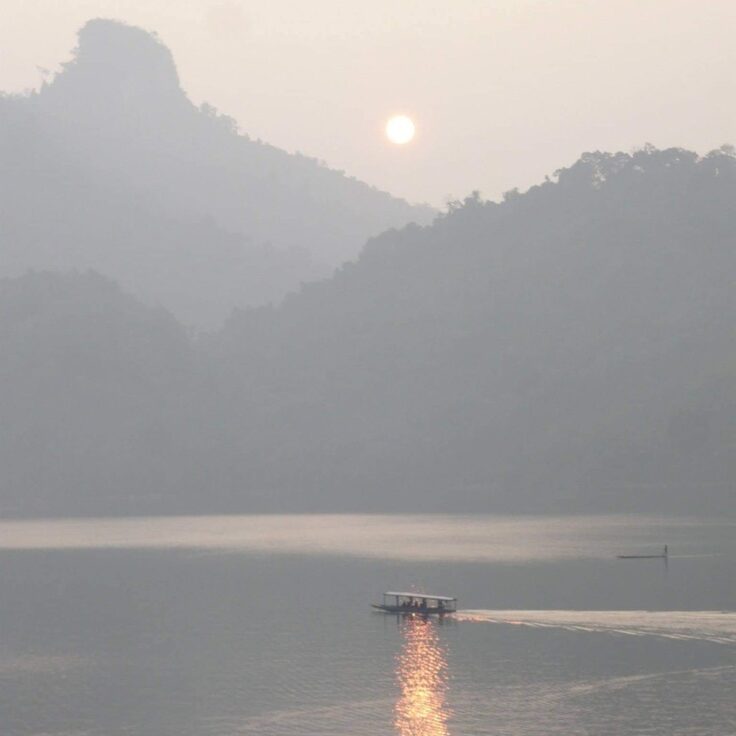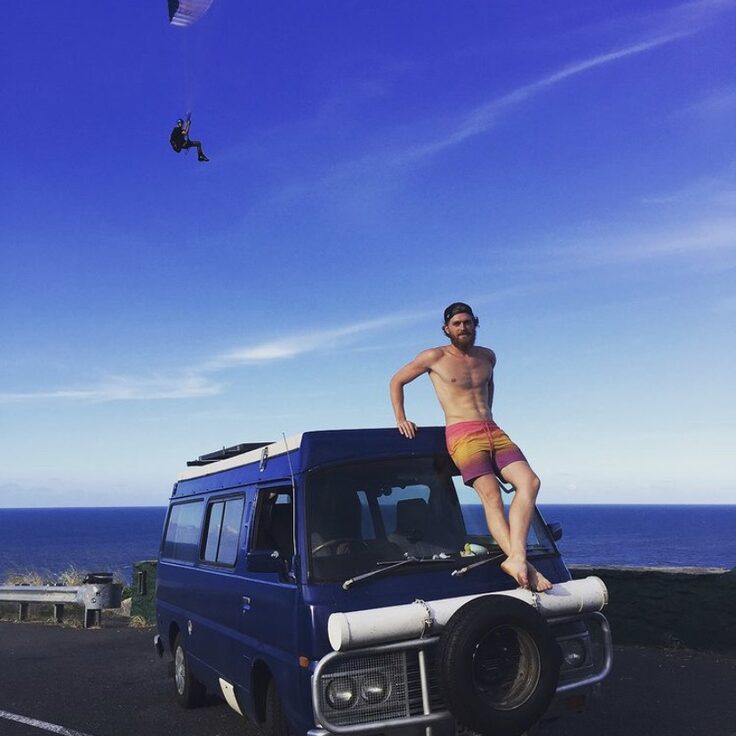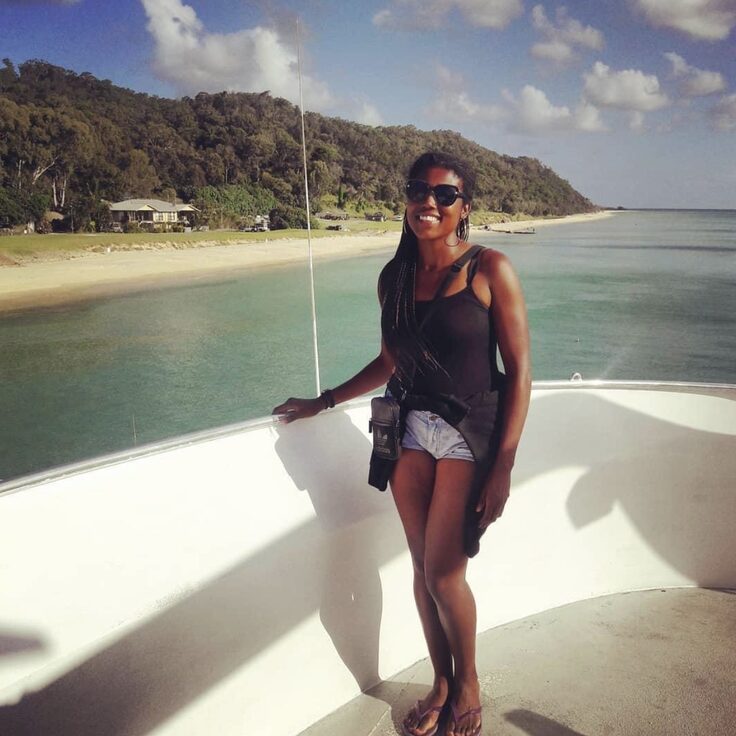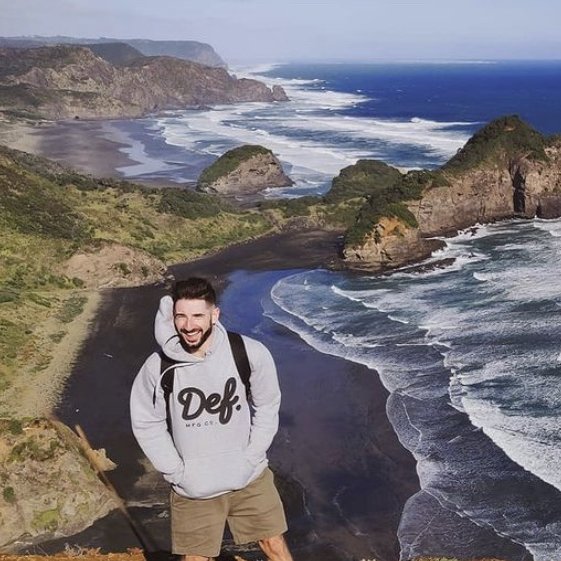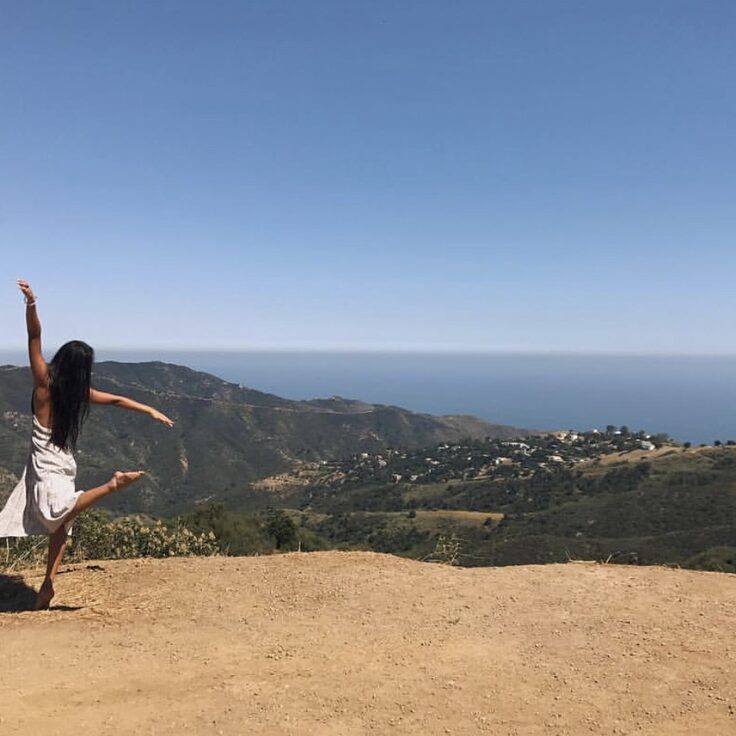
Tropical cliffs and blue water

The Escape Journals

Do You Need To Be Rich To Travel

What it really costs to see the world, from people who did it on savings, side jobs, and a little faith.

Featured Stories

There Is No Perfect Amount

Lauren

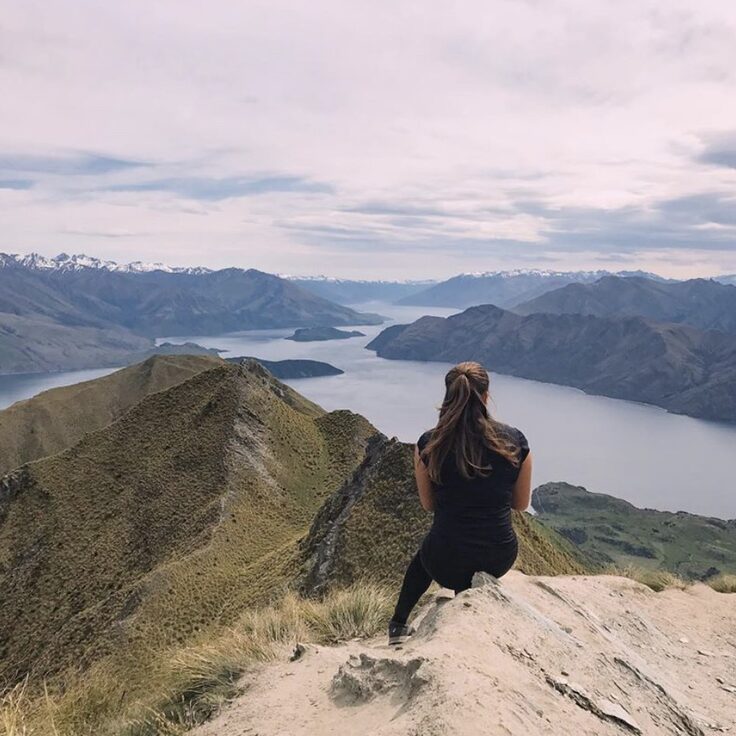
Travel photograph for Lauren's story

You definitely don’t have to be rich to travel; you can make it work with any amount of money. It all just depends on how you want to travel. When most people think of “traveling,” they’re envisioning more of a “vacation.” I like to call what I do more of “nomadic living.” I work while I travel and choose to live like a local at my destinations, rather than a tourist (meaning I don’t spend all my days going on tours or eating out—I prefer to hang at the beach and cook my own food). It’s all about making it sustainable.

I left home for the first time with only $5,000 USD, and I’m still traveling two years later. I remember stressing about how much money I would need to have saved before I left. I just never seemed satisfied; no amount of money felt like enough to carry me safely into the unknown. But my mom made a good point before I left. She said, “You’re never going to have the ‘perfect amount’ because there is no perfect amount.” No amount of money will take away the nerves or the uncertainty. You just have to get out there and prove to yourself that you can do it.

Read More

I think the key to being frugal is making a plan. As fun as it is to wing it when you travel, it does make sense financially to have some things in place. I often try to set up a “work for accommodation” position (where I work at a hostel in exchange for free stay) before I change locations. This gives me the chance to look for a proper paying job without having to worry about rent while I search. Getting a hostel position is often as easy as sending an email inquiring about available work, along with an attached resume, a bit about yourself, and preferably a photo.

Running out of money has definitely been a concern of mine, too. But I’ve found that, somehow, there’s always a way to make things work, and everything eventually falls into place. The closest I got to running out of money was in Brisbane, Australia. I had been applying to jobs for weeks and hadn’t heard back. I got down to $4 in my Australian account when I finally heard back from a position on an island just off the coast. It happens, but you have to remember that you can always find a way, and your situation is only temporary.
Far From Rich, Still Going

Kel

Travel photograph for Kel's story

I was born into a family that was the very opposite of rich, and I’m still far from what anyone would deem ‘rich.’ Yet, I have managed to visit four countries so far and travel extensively throughout Australia.

While you do need money to travel, you definitely do not need to be rich. My opportunities to travel throughout the years have come about because of dedication and determination, knowing how to find a cheap deal (thanks, Mum), setting goals, being frugal, luck, generosity from loved ones, or a mix of all of these.

Read More

For my trip to Colombia, I had a figure in mind that I thought I needed—that would make me ‘safe’ and ensure the ‘perfect trip.’ That figure was $10,000. Over the span of almost two years, I saved up this amount—the most money I’ve ever saved or had in my life. Needless to say, I did not need all of this, but it came in extremely handy when my partner needed to borrow money while we were there. I traveled the majority of my time in Colombia very comfortably, and looking back, I realize how much more money I could have saved and how much longer I could have extended the trip if work, time, etc., had allowed.

At the end of the day, I think it all comes down to people’s interests and ideas of what an enjoyable holiday looks like. I am not the resort, poolside, food-service type. I want to be out in nature, in the thick of it. But for others, that extra bit of pocket change might make the difference between a nightmare and a dream holiday.

For those willing to forgo the trappings we might be used to back home, it can open up doors you wouldn’t think are possible.

Before I left, the fear of running out of money while I was over there motivated me to save so much and so well. I think all you can do is be prepared: do your research, understand the general costs of food, accommodation, and activities in your intended destination, and plan from there. All that information is easily available online, and it just takes some pre-planning and common sense to come up with a ballpark figure based on the kind of experience you desire to have—whether economical or luxe. Always try to save a little extra in case of emergencies, and if your family or friends are able to support you, have a backup plan.

I had family and friends let me know while I was away that if anything happened or I needed to come home, they’d be able to send or lend me money, with no stress about when they’d get it back. That made me feel so safe and honestly blew my mind.

It might help you to know that you have that kind of support from your loved ones, especially if they are in a position to do so.

A Hundred Dollars Left, Happier Than Ever

Katie

Travel photograph for Katie's story

You don’t need to be rich to travel. There are, of course, different ways to travel. Some people travel lavishly, while others make do with just a backpack and a single pair of shoes. The choices you make determine whether you need $1,000 or $5,000. Flights also play a role. Money can be a significant source of stress if you don’t budget properly. When I left Maui, I think I had only $100 left in my bank account, but I was happier than I had ever been. Despite the challenges, travel is the best investment you can make. In the end, your experiences are worth far more than money in the bank.

Left With 120 Euros, Came Back With a Year

Thomas

Travel photograph for Thomas's story

Do you have to be rich to travel? No. Just no.

If it’s your first trip, make sure you have at least 2,000 euros in your bank account, ready to be used after purchasing your plane tickets. How much money you need for a short trip is entirely up to you, and it’s not hard to figure that out on your own.

The amount of money needed for long-term travel depends solely on who you are. Can you work? Do you have hospitality experience or trade skills? Are you a laid-back teenager? Are you prepared to live in a small room for $200 a week in a shared house while saving up in a foreign city?

Read More

Some trips I took with 5,000 euros lasted six months without working (thanks, Asia). Some trips started with 14,000 euros and lasted only eight months, even while working. Once, I left with just 120 euros and came back a year later with 3,000 euros and the best travel experience of my life.

The key is, when you run out of money, be ready to live like a local, endure the routine of a job you may not love, work in hostels for accommodation (good luck), stay focused on why you’re there, and make the most of it.

If you’re not comfortable working abroad as you would at home, make sure you have at least 2,000 euros set aside and don’t waste your time.

From Broke Student to Bali in Two Months

Meredith

Travel photograph for Meredith's story

A huge misconception about traveling is that you have to be rich to do it. I, for one, can definitely say that YOU DO NOT HAVE TO BE RICH TO TRAVEL! Say it louder for the person in the back! Hahaha, but seriously... I was a recent college grad who went from a broke student to a world traveler in just two months. I used a mix of my lifelong savings, the money I saved from working four jobs in the months before leaving for Bali, and the side job I picked up modeling once I got there to sustain myself for six months. Saving the money was hard work, but you don’t need thousands upon thousands of dollars to travel to the places you want to go. I had way less money than most people think is necessary for travel.

Of course, costs depend heavily on where you go, as the cost of living and expenses vary from place to place. For short-term travel in Asia, I’d suggest having at least $500, which can go a long way if you stay in budget hostels. For long-term travel in Asia, a savings of around $4,000 to $8,000 should be a solid starting point. To put this in perspective, I chose to treat myself to a nicer shared villa with a kitchen, AC, a pool, and proximity to the beach. I spent around $430 per month on rent, totaling about $2,500 for housing over the six months I stayed. I could have lived much cheaper, but it was a personal choice to spend more on a comfortable place that felt like home.

Read More

Work out a budget that suits your priorities—whether you want to spend more on housing, food, excursions, or other areas.

If you’re stressed about money while traveling (as I often was), try to create or find opportunities for side jobs. I managed to earn a bit through modeling while I was there. You can look for part-time, freelance, or remote jobs online through sites like Upwork. If you’re a native English speaker, consider teaching English online as well.

If money worries start to creep in, remember: don’t have buyer’s remorse—you saved up this money to spend on your travels, so don’t feel guilty. You worked hard for this and set it aside specifically for this purpose. And budget yourself—keep an eye on your spending so you know when to cut back if needed. This will help make sure your funds last for the whole trip.

Above all, remember that your travels are meant to be enjoyed. You worked hard to earn the money you set aside for these experiences, so enjoy every single bit of it. Don’t let finances drag you down with worry.

An Open Mind Over an Open Wallet

Ludvig

Travel photograph for Ludvig's story

Quick answer: No, you don’t have to be rich to travel. How much money you “need” for long-term or short-term travel depends on how you intend to travel. Are you planning to visit one or more countries where you have the option to work?

In my opinion, traveling becomes even more fun when I pick up a few short-term jobs along the way.

Read More

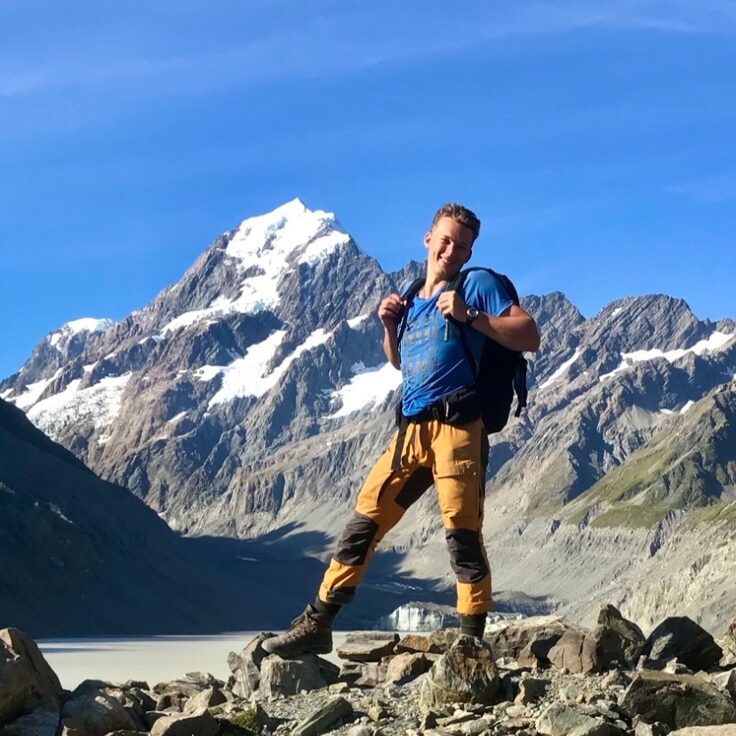
I left Sweden with €2,400 in my bank account, and it allowed me to get literally to the other side of the globe, spending 2.5 months in New Zealand hiking, swimming, and biking before I ran out of money. I knew in advance that I would be allowed to work in New Zealand, which made a huge difference.

There are many valuable lessons in living cheaply and understanding that many materialistic things we think we “need” in everyday life aren’t actually necessary.
In the end, it’s up to you how you choose to travel. However, money doesn’t necessarily make you experience more. Your own open mindset will.

Running out of money was definitely a stressor for me, but I subconsciously wanted to put myself in situations where “I just HAVE to figure it out.”

I believe you need to risk something in life to gain truly awesome experiences. More than just “risking,” you need to give yourself to the world and allow yourself to face things like the fear of running out of money.

Some final practical advice regarding money planning: if possible, put away some money in a savings account that you cannot access until you get back home. This will serve as a mental de-stressor for many.

Pick up short-term jobs along your travels. WWOOFing on farms, doing four-week cleaning jobs in hostels, etc. This won’t slow you down if your goal is long-term travel. These jobs will allow you to travel with less money, and you’ll meet so many more people along the way who will actively want to help you.

A Way, Not an Excuse

Carola

Travel photograph for Carola's story

You don’t have to be rich to travel. There are so many options these days! Flights have never been cheaper (just remember to offset your carbon footprint ;-) ). Hostels in Asia and Central America are ridiculously cheap (and fabulous at the same time!). You can work for accommodation—platforms like Workaway and Helpx are great resources. You can offer your skills all over the world. I’ve received free accommodation in exchange for teaching yoga classes, helping with marketing, working reception, assisting in the kitchen—the opportunities are endless!

I have definitely met people who had to cut their trips short because they ran out of money. But so what? They had an amazing time. They were sad to leave, but guess what? They went home, earned money, and set off again. Just make sure you have enough in your account to book that flight home. You don’t want to be a “begpacker” trying to sell poorly made jewelry or other items on the street. Not cool. Be organized at least to that extent.

Read More

I’ve also met people who traveled for months without spending much at all. They camped, cooked their own meals, hitchhiked (though I don’t recommend this everywhere), and found work-trade opportunities. There are countless solutions. So: You will find a way, or you will find an excuse.

From Selling Houses to Washing Cars by the Beach

Max

Travel photograph for Max's story

You absolutely do not need to be rich to travel—especially in a place like Australia, where I earned more money washing cars by the beach than I did selling houses in London! If you’re short on money, just get a job to save enough to move to your next destination. Having some savings before you start traveling is always helpful, but I know people who came to Australia with £500 and managed to live there for a year by working their way around the country.
I left with too much money, and all it did was make me spend more on silly things! More money just means more to lose. Sure, money can be a stressor, but isn’t it always in life? Just be smart about it, and think twice before making purchases. I haven’t run out of money before, but I have lost all my cards while traveling—and you’d be surprised at how resourceful friends can be when you need them. I once had a friend I’d met transfer money to their aunt, who then met me at the airport, handed me 10,000 pesos, and even drove me to my bus station because I had no way to access my own money.
See 27 more stories

The Kindness of Strangers

Min

Travel photograph for Min's story

I firmly believe that everyone should travel a few times when they’re young and have little to no money (even though I’ve never done it myself). It encourages creativity, a sense of adventure, and leads to more stories that you’re almost compelled to create when traveling without financial security. Once you have money and experience the luxury that comes with it, it’s hard to go back to those times.
Personally, I have never run out of money, but I have traveled enough to know the kindness of strangers and to have faith that everything will be okay, no matter what. That is something learned over time after extensive travel.

Read More

In short, unless you’re stranded in the Maldives, NO, you don’t need to be rich to travel.

Living Like a King, Then Rice and Goon

Anonymous

Travel photograph for Anonymous's story

I think my biggest misconception about traveling was money. I thought you needed to save thousands to pull it off. The reality is, you don’t—you can really make any amount work. It just depends on what you want to do, I guess.

I saved up $12,000 for my dream solo trip to Australia. I ended up spending it all in 47 days, which is insane. The thing is, I was living like a king. I stayed in nice hostels and ate in restaurants and cafes three times a day! I rented a car for a month, which cost over $3,000 alone, but it was the coolest thing ever. I had the freedom to go anywhere, whenever I wanted, and it was the best money I think I ever spent.

Read More

Now, just because I was an idiot eating steak dinners and blowing my money at bars doesn’t mean you have to. I learned that toward the end of my trip when I realized I was running out of money. So instead of steak and craft beer in restaurants, I switched to eating rice with some cheap sauce, paired with the cheapest goon money could buy.

I think as long as you have a plan and budget according to your needs, you don’t have to worry much. My biggest lesson was meeting a guy who hopped on a plane to another country with nothing but $3 in his bank account—and he thrived!

A Year on Five Thousand

Sarah

Travel photograph for Sarah's story

When it comes to funds, it all depends on what you want to do, where you want to go, how you want to travel, how comfortable you want to be, how long you plan to travel, and the strength of your country’s currency. It’s a bit challenging to answer this question because, when I first started traveling, the money I had was originally meant for an apartment or flat. So, I had a bit more than the average backpacker. However, I tend to travel quite cheaply and focus on spending as little as possible on accommodations and food, and more on experiences, flights, and transportation. I also often volunteer and stay with host families.

That said, I’d advise that you make sure you have enough money for a flight or transport home, accommodations, and food. Personally, I can manage with $5,000 AUD for almost a year, but again, it all depends on what you want to do.

Read More

As for money being a stressor, you have to be smart with your finances. Never get to a point where you’re so strapped for cash that you can’t get home. For me, I’ve never been in that position. If my bank account starts getting low, I tend to pick up work until I feel comfortable, then continue on my journey. That’s why it’s important to have one account in your home country’s currency and another in the currency of the country you’re planning to travel through for a while.

The Slower You Go, the Less You Spend

Dave

Travel photograph for Dave's story

For Southeast Asia, I budgeted $300 USD per week and managed just fine, doing everything I wanted. It really depends on where you’re going and how quickly you plan on moving; the slower you travel, the cheaper it will be. I moved back to New Zealand in 2017 with less than $500. Anything is doable if it’s what you truly want.

That being said, I do recommend saving as much as you can before setting off. Your options will be more flexible, and there’s nothing worse than arriving home with nothing. Post-holiday blues can be real!

Everything Somehow Works Out

Maguie

Travel photograph for Maguie's story

It depends! Before going to Indonesia, I had saved around 2,000 Euros, which was more than enough. But I also knew I wouldn’t be working there, so I wanted to play it safe. When I went to New Zealand, I arrived with 1,000 Euros. That was plenty, because I knew I’d start working right away. At first, you might feel a bit pressured, but the longer you travel, the more relaxed you become. You learn that everything somehow works out, and you become more flexible. Traveling made me more optimistic, easy-going, and taught me to trust in positive outcomes.

In the end, it all comes down to what you expect from your travels. Do you want to do helicopter flights and bungee jumping? Are you planning lots of guided tours? That’s great—just keep in mind that travel can cost more or less, depending on your expectations.

Jobs That Come With a Bed

Josh

Travel photograph for Josh's story

No, you don’t have to be rich.

Sure, it definitely helps to travel in comfort and style, but it’s by no means essential. Heck, in Australia, you can even find jobs that include accommodation. So not only will you be exploring Oz on your days off, but you’ll also be making money—a total win-win, right? Of course, you’ll need enough money to live for at least a week and buy a return ticket home, but beyond that, you can travel on any budget.

There’s no set amount for what’s “enough” since it varies widely. I’ve heard of people who went with £10,000 and made it last a year between two people, while others blew through £15,000 in six months solo. It entirely depends on the person. Brandon arrived in Hawaii with less than a dollar to their name! That said, I do believe the more money you have, the more likely you are to spend it freely, and budgeting can become harder to manage.

Read More

As for running out of money, I’d always advise setting aside an emergency fund for a flight home, just in case. But there are tons of opportunities for travelers and backpackers to earn money while abroad.

Travel at Your Own Comfort Level

Krista

Travel photograph for Krista's story

I want to start by saying that you only need enough money to travel in a way that feels comfortable for you. If you plan to travel long-term on a budget, be ready to stay in hostels, participate in work-exchange programs, or join labor exchange plans. You likely won’t be dining at luxury restaurants, doing much shopping, or going on expensive tours—and that’s totally okay! Your travel experience is yours to shape based on what feels right for you.

On the other hand, if you prefer a more glamorous travel style, you might spend extra on certain parts of your trip. You may not need to hunt for deals or skip activities due to cost. It’s your trip, and you should make it fit your comfort level.

Read More

Personally, I’ve only taken short-term trips, but I do have a friend who moved to Australia and had to live frugally to make her money last. Somehow, she managed, but only by cutting out certain extra comforts. One of the most important things, especially for long-term trips, is having a return flight already paid for so that you’re not stuck without the means to get back home. That can spare you a lot of anxiety if you’re worried about running out of funds. It’s also wise to have a credit card for emergencies. You can deal with the interest later if needed, but in an emergency, having a way to pay is crucial. I personally use the Capital One Venture card, which has been a lifesaver for me, offering 2 miles per dollar spent, no foreign transaction fees, an easy-to-use app, and amazing customer service. I’ve even booked four flights with the miles I’ve earned.

For budget travel tips, I highly recommend picking up How to Travel the World on $50 a Day by Matt Kepnes, also known as Nomadic Matt. I found a signed copy at a thrift store, and while I don’t consider myself a “cheap” traveler or a deal-chaser, the tips in that book have been priceless.

A typical domestic U.S. trip for me, usually around five days, costs about $2,000 max—including flights, accommodation or car rental, sightseeing, and food. For me, that’s relatively inexpensive, but it’s absolutely possible to spend less on domestic travel in the U.S. The key is to save on flights or accommodations so you have more to spend on activities. I recommend using meta-search sites like Kayak.com to compare prices and opting for shared Airbnbs to make accommodations more affordable. Honestly, hotels often feel like a rip-off—this is coming from someone who’s worked in the hotel industry. They tend to be overpriced and disappointing for what you get.

Remember, you can still travel on a budget—don’t let money be the reason you hold back. Hiking is free, hostels can cost as little as $20 per night, and you can find affordable food at supermarkets. That said, keep in mind that costs vary widely by destination (Iceland, Switzerland, Sweden, Denmark, and Norway, for example, can be pricey). Always check exchange rates and average costs if you’re watching your budget closely.

Lastly, be patient with yourself. Everyone’s in a different financial situation. If you can’t swing a trip to Zurich for skiing, take a trip to Vermont or Colorado and explore somewhere new. You shouldn’t go broke traveling short distances—just choose destinations that fit your current budget. Maybe next year, you’ll be able to afford something different! The important thing is to travel at your own comfort level.

Pack Half, Fly Smarter

Justin

Travel photograph for Justin's story

Dude, that’s such a great question! I’d love to share a few tips and tricks I’ve picked up over the years.

#1 Less is always more. When I went on my first big trip, I brought wayyy more than I needed. I was over-prepared, overweight, and overspent. I had all this extra stuff “just in case,” which I really didn’t end up using. At the time, I didn’t realize my main duffel bag was three times the allowed size (just barely within the maximum dimensions to check on a plane before it would have to go as “freight”) and double the weight limit… I ended up paying more for my luggage than I did for my original ticket. Big lesson learned there! Now, when I’m packing, I lay everything out and try to cut about half of it. The reality is, you don’t need most of what you think you do (especially when you’re new to traveling), and you can usually find what you need locally wherever you are.

Read More

Since many of my trips are months long, and I sometimes bring gifts, alcohol, or other large items, I used to rely on one trusty Dakine roller bag. But I’ve grown tired of hauling around all that extra luggage, so now I’m working towards only bringing a carry-on. It’s just so much easier, cheaper, and faster. Airlines are charging for everything now—even standard carry-ons! So, save money anywhere you can.

#2 Flights. This could be a whole book, but here are a couple of tips. When I know I want to go somewhere, I start looking at flights right away to get a baseline idea of the costs. Technology helps a lot here, with alerts, smart searches, and more. For example, if I want to fly from SLC to Paris, I know there aren’t many direct flights, but I can often find cheaper options by booking separate legs from SLC to cities like SFO, SAN, LAS, LAX, or DEN, and then onto CDG or ORY in Paris. Booking flights in segments can sometimes save hundreds or open up routes that don’t show up in standard searches.

I use a site called ITA Matrix, which is old-school but effective (it’s the backbone for Google Flights now). If you know the right search tricks, it’s great for research. Google Flights and Skyscanner are also fantastic. Skyscanner has a feature where you can put “United States” as your origin and “Paris” as your destination, and it’ll show you the cheapest flights from all over the U.S. I’ll compare that with typical fares from SFO or JFK to find the best prices. If I find a good rate, I’ll try to book it as one ticket (there are some legal benefits for trip delays, cancellations, etc. when you book on a single ticket). But sometimes, booking individual segments is cheaper. Another trick: try putting in your origin city and selecting “Anywhere” to see the cheapest flights worldwide.

One last bit of advice on flights—don’t always book super far in advance, but also don’t wait until the last minute. Timing depends on a lot of factors, like holidays and seasons, but if you think outside the box, you’re bound to save some money and have a great adventure. (One of my favorite cheap tricks is taking the scenic Amtrak train from SLC to SFO/OAK or DEN for around $100, then hopping on a flight for a couple hundred bucks. My cheapest total was around $175 to get there!)

As for how much money you need to travel? Well, in this case, more is better—but don’t let that hold you back. Be realistic and have enough to cover your basic expenses (like travel, food, and insurance—highly recommend travel insurance; it’s affordable and a lifesaver if you need it), but try to set aside extra for spontaneous adventures and outings. Some destinations are super cheap, and you can live like royalty (think Indonesia), while others are pricey just for the basics (Norway, Iceland, and Denmark, for example). But you can make the best of any destination! I have a couple of friends who took off-season trips to great spots, experiencing places they normally couldn’t afford at peak times.

If you’re just getting started, maybe try a smaller trip before planning a full-around-the-world adventure. Build up some experience and miles under your belt to find what works best for you! Last summer, I met up with friends for a week of sailing. We split the sailboat rental and other expenses, making it an affordable and super fun trip together.

Happy travels, and enjoy the journey!

Budget High, Spend Free

Jenna

Travel photograph for Jenna's story

Depending on the type of travel you want to do, no, you don’t need to be rich to travel. There are so many travel hacks that can make traveling super affordable—even cheap! For example, buying flights on Tuesday nights, using a private browser so your search history isn’t tracked, doing thorough research (comparing flights, hostels, hotels, Airbnbs, rideshares, trains, buses, car rentals, etc.), and even volunteering for part of your trip to save on accommodation. I always research the cost of living in the places I want to visit to get an idea of prices, then figure out if I can make it work.

Usually, I base my budget on the most expensive options for accommodation, transportation, dining out, and tours. This way, I create a budget that’s totally achievable, since everything in it is at the higher end. I also think about what I can compromise on and what’s a must-have for me. For example, I don’t need to stay in the nicest places since I’m only there to sleep, but I want high security and a central location. On the other hand, I don’t want to compromise on tours, experiences, and trying local food.

Read More

Luckily, I’ve always been good with money and haven’t stressed about it while traveling. The budget I create and the information I gather before my trip really set me up for success. If you’re worried about running out of money, you can always keep two accounts—one for travel expenses and another for when you’re back home. Some people set a daily budget, but I prefer to go with the flow and spend what I want, when I want.

If it’s your first time traveling, try different approaches and see what works best for you. A big piece of advice: talk to the locals! They know where to find the best, most authentic food at a good price, the easiest ways to get around, which places are worth visiting (and which are tourist traps), unsafe areas to avoid, and places with free entry.

Research Is Your Safety Net

Carter

Travel photograph for Carter's story

For those truly committed to a life of minimalism and exploration, where all you have are the clothes on your back and the contents of your backpack, money will be less of a concern. At the risk of sounding abstract, here’s the bottom line: you need enough money to get to your destination, a general budget, and some understanding of the local cost of living. At least for your first trip, this will help you get a sense of what’s feasible. After that, if you want to “wing it,” go for it. The world is your oyster. Travel is doable without breaking the bank; you just need to know where to find deals and adjust your expectations for what it really means to be a “backpacker.” How much money you’ll need depends on the destination and its cost of living. For example, traveling in Western Europe, Australia, or the U.S. requires a larger budget than destinations like Morocco, Thailand, or Nepal. It’s wise to be realistic about your funds while knowing you can make it work anywhere as long as you do some research.

When it comes to how long to travel, that’s up to you and how long you’re comfortable being away from home. Personally, I take shorter trips because of my own commitments, so I don’t spend months or years on the road like some backpackers do. You might think I’m a hypocrite, encouraging you to break free from work-life routines, yet I’m deeply dedicated to my career and life at home. One day, who knows, I might sell everything and go live out my days on a small farm in the Scottish Highlands. But for now, I’m content. The point is, life offers countless paths; there’s no “one size fits all” for a fulfilling life. Travel for as long or short a time as feels right to you. Worst case? You fall in love with life on the road and book your next trip before you even get home.

Read More

Now, let’s address the concern of running out of money in a foreign land. Go back to my point on budgeting, reading travel blogs, and hearing from people with similar financial backgrounds who have been to the place you’re headed. It’s impossible to do too much research if you want to feel more secure about the money you’ll need. And if you do find yourself low on funds, talk to locals or other travelers—they’ll likely know where you can pick up work to earn a little extra cash to get by. Personally, I made rough calculations for expenses, set aside an emergency fund, and stuck to my budget. I never ran into problems. Be honest with yourself about your spending habits. When in doubt, save up a little extra before you go. Being overprepared never hurts, and it lets you fully enjoy the adventures you set your sights on from day one. The less you worry about finances, the more you can embrace the possibilities awaiting you in uncharted territories.

Save a Little More Than You Think

Elisabeth

Travel photograph for Elisabeth's story

You definitely don’t have to be rich, but I do think it would have been better to save more money than I did. It’s always reassuring to know you have enough money and nothing to worry about. I even spent too much at the beginning because I thought everything would be fine. I would definitely recommend booking an open return flight. It’s good if you don’t want to worry about coming back in case something goes wrong.

I’d say it’s wise to have at least between 5,000 and 7,000 euros at the start. If you know it might be hard to find a job, it’s better to be well-prepared. The more money you have, the more secure you’ll be. I only saved about 2,500 euros, and it still worked out. But it really depends on your situation. Is it easy for you to find a job, and do you have good skills? Can you find a place to live for free in exchange for work? Are there people back home who could help you just in case?

Read More

If you’re planning to buy a car, you should definitely save a lot more. For me, the thought of running out of money wasn’t that stressful because I knew I’d get help if I needed it. That was my advantage, and it helped me stay more easygoing.

Worth Every Dollar

Connor Babic

Travel photograph for Connor Babic's story

I don’t think you have to be rich to travel, as long as you’re smart with your money and plan your trip. Depending on how long you travel and what you want out of the experience, the cost will vary. I left for Australia with $10,000, and I think it was just the right amount for the experiences I wanted to have. Of course, money was a stressor at times, but when I got home and got to tell people that I scuba dived the Great Barrier Reef, camped on the most dangerous island in the world, spent a day on Whitsunday Island Beach, and more, it was definitely worth the money. As long as you plan ahead, you can manage your money accordingly. If you’re nervous about running out, just remember that as long as you have a plan, you can work your way through any situation!

Cautious, Never Restricted

Emilie

Travel photograph for Emilie's story

I saved money for this trip and organized my spending carefully to make it last. For nearly six months abroad (one month in New Zealand, three months in Hawaii, and the rest between Canada, California, and Illinois), I spent around €12,000 ($13,000)—including about €2,500 for plane and train tickets covering Paris > Singapore > Auckland, NZ > Honolulu > Maui > Kauai > Oakland/SF > Calgary > Chicago > London > Paris.

I was a bit stressed about running out of money, so I did some work-trade in Hawaii to help cover extras. But overall, I had the luxury of not counting every dollar. I was cautious but never felt restricted.

It Was, and It Wasn’t

Zach

Travel photograph for Zach's story

I left for Australia with $5,000. I was planning to stay for three months and thought that would be plenty to live comfortably. It was, and it wasn’t. I chose to travel a lot within Australia during my time there, and with flight costs, accommodations, and excursions, I quickly realized the money was fading fast. If I had stayed in one place, though, I think $5,000 would have been more than enough.

Free Beaches, Full Days

Lydia

Travel photograph for Lydia's story

YOU DON’T HAVE TO BE RICH!

I spent freely because I had the option to do so. I’m lucky to have a job that lets me take on as much overtime as I want, so I knew I’d be able to pay back whatever I put on my credit card. But there’s definitely no need to load up your credit card just to travel. I actually met people who purposely booked a hostel instead of an Airbnb because they knew they’d meet so many people that way. I also met a family who chose a hostel to stay within their budget and didn’t regret it for a second. There are so many options when you get there.

Read More

My only advice would be to talk to people—most travelers are on a budget and know the best places! In Hawaii, it was easy to spend money only on food since most beaches and hikes are free. Also, finding a good hostel that offers tours is definitely a plus!

Luxury Trips Under a Thousand

Vuk

Travel photograph for Vuk's story

Alright—I, like many others who have traveled to numerous places and shared it with others, have been asked, “How can you afford to travel so much?”

For me, at one point, it was my career—professional tennis was my livelihood, and that required travel to make a living. In other circumstances, when I traveled like the average person, it was very simple: calculate the flight costs, hotel costs, and estimate spending money.

Read More

This will obviously vary depending on your budget, but I’ve been able to do many luxury trips for under $1,000.

Five Thousand Dollars and a Bar Job

Sian

Travel photograph for Sian's story

Absolutely not. I left with $5,000 Australian in the bank. All it meant was that I had to get a job relatively quickly! Bar work is always a good option as it’s relatively flexible and offers opportunities to meet people and make friends. I think as long as you keep enough money in your account to get yourself home if necessary, you’ll be fine. Be smart. Take the bus rather than a flight, make friends and catch rides with them, and cook your own meals instead of eating out. All these things help stretch your budget further.

Also, research the times you want to travel; the off-season is often cheaper for accommodation, tours, and trips. It also gives you the chance to negotiate prices for car rentals, and there are often deals on food and drinks. Research your accommodation well, too. Many of the hostels I stayed in provided meal vouchers each night. They weren’t particularly large or great, but they allowed me to spend less on smaller meals to supplement them.

Know Your Trip Style

Ben

Travel photograph for Ben's story

Personally, I believe you don’t have to be rich to travel, but I do think you should be responsible enough not to run out of money. Of course, it all depends on what kind of trip you want to take.

For example, some people go to Australia knowing it’s a very expensive destination, and they understand that they’ll probably have to work during their trip. On the other hand, some people choose places like Latin America, which are much cheaper, knowing they don’t necessarily have to work while traveling.

Read More

I think each individual needs to decide what kind of trip they want to have and then plan their finances accordingly.

Some people might disagree with me and say, “You can just go with the flow.” And there’s some truth to that, but still, I believe you need to have a clear idea of your trip style and plan accordingly.

Street Food Over Fine Dining

Mahta

Travel photograph for Mahta's story

This is actually a funny question for me because the majority of my travels were during times when I didn’t have an income or was in school full-time. I think it’s important for people to be realistic with themselves. Depending on the place you are traveling to and their currency, you need to be prepared with enough money, plus an extra amount for emergencies. When I’m traveling within the state, I typically like to take $500–$1,000 with me, which covers food, shopping, and other expenses. However, I have taken trips with even less than $200 in my pocket and still managed to have a great time.

Money is always a stressor—even for me. I always worry about whether I’m bringing enough. I’ve learned to prioritize and know what I want to spend my money on. Personally, I prefer doing activities over eating at fancy or high-end restaurants. To me, local street food is so good that it’s better than any dish you’d get at an upscale restaurant. My advice would be to plan and prioritize your trip so you have an idea of what will cost you the most. My mom always tells me to hide $100 in a pocket of my wallet as ‘out of sight’ money for emergencies, and let me tell you, that’s helped me multiple times!

Hostel Bunks or Hotel Suites

Alanna

Travel photograph for Alanna's story

You don’t need to be rich to travel. Every traveler has a different balance in their bank account. It really comes down to what you want. Are you okay with staying in budget hostels and sharing a room with several people, or do you prefer staying in luxurious hotels? Are you fine with taking cheap local buses to get around, or do you want to use private drivers? Honestly, every traveler is different, and there’s no right or wrong way to travel. The way you travel also evolves over time.

Additionally, where you’re traveling to makes a huge difference. Traveling through Southeast Asia, for example, is significantly cheaper than traveling in Australia. So, look into your destination. Find out what your preferred accommodations will cost per night, and check the prices for activities you’d like to do. Money only becomes a stressor if you’re not prepared.

Cheap Hostels, Unmissable Skies

Connor O'Reilly

Travel photograph for Connor O'Reilly's story

You can travel on a budget and still have a fantastic time. Accommodations are one place where you can save a lot of money, and honestly, sometimes the cheap hostels are way more fun than a bland hotel. Keep an eye out for free or nearly free activities—hikes, beaches, swimming holes. Whatever your passion may be, there are always plenty of ways to make memories that don’t require spending a lot of money.

That said, it’s always wise to have some cash set aside for those unmissable opportunities. Skydiving over Franz Josef Glacier in New Zealand wasn’t cheap, but it was one of the most exhilarating experiences of my life. And no matter how beautiful a hike might be, it’s hard to beat the view from freefalling 20,000 feet in the air.

A Week in Cabo, a Budget Kept

Patricia

Travel photograph for Patricia's story

You definitely do not have to be rich to travel! This question is interesting to me because I believe your budget should always depend on the destination. When I traveled to Cabo, Mexico, I had a spending budget of exactly $1,500 for a week. This amount did not include my flight and hotel fees, which I had already paid for. It’s safe to say I spent most of it on food and drinks. Traveling on a budget is about managing your expenses wisely.

One thing I learned from traveling to different countries is the importance of doing your research beforehand. Mexico is a developing country, and certain areas rely heavily on tourism, which often leads to significantly higher prices. I noticed that the price of the same items varied depending on the area, again due to the economy. For this short trip, I found $1,500 to be enough. I traveled with one suitcase full of clothes and shoes, which helped since I didn’t need to spend money on anything other than food and drinks.

Trains, Airbnbs and Budget Flights

Anthony

Travel photograph for Anthony's story

You do not need to be rich to travel. If you’re traveling from the United States, your largest expense will likely be airfare to and from your destination. From my personal experience in Europe, accommodations and travel within the continent are quite affordable. Airbnbs, trains, and budget flights can really save you a lot. For example, you can take a train from Rome to nearly any other Italian city for 40 euros or less if you book in advance.

That said, I would advise that if you’re traveling for any length of time, make sure you have enough savings so you’re not constantly worried about how much you’re spending. Traveling is meant to be enjoyable, not stressful! And if I’m being completely honest, no one wants to be around that backpacker who’s counting pennies for every transaction. It’s just obnoxious.

Budget for Travel Like Any Other Want

Chanel

Travel photograph for Chanel's story

No! I think this is a common misconception about traveling. People save for many different things they want in life, whether it’s shopping, dining out, or going to bars. If you can budget for those “wants,” then you can also budget for travel. If someone is too scared to take the plunge and spend even a couple hundred dollars on a shorter trip, it will be even harder to save for long-term or overseas travel, where more money might be needed.

Personally, I’ve never traveled for more than about three weeks, but I’d say the amount of money you need depends entirely on what you’re seeking and a few key factors: flights, the country’s currency, length of travel, accommodations, and purpose of travel. That last one’s huge. Are you someone who wants to eat out every night, or can you spend a little more on a place with a kitchen where you can grocery shop and cook your own meals? This idea applies to many aspects of your trip, including transportation, tours, sightseeing, and even souvenir shopping. What’s most important to you? If you care more about exploration and history, for example, maybe spend a bit more on guided tours and cut back on dining out or other expenses.

Do the Homework, Then Go

Grace

Travel photograph for Grace's story

Each time I’ve traveled, it’s been different. It depends on which country you’re going to and how long you’re staying. It’s important to do research on the place you want to visit and understand the exchange rate, as well as how much things will cost there. My advice would be to be prepared and do your research ahead of time. Plan out the activities you want to do, where you’ll stay, how much food will cost, and make sure to have enough extra money in case of emergencies.

Flexible and Creative Beats Rich

Benthe

Travel photograph for Benthe's story

You don’t need much money at all before you leave. If you’re planning on staying away for a long time, there are plenty of ways to earn and save money. Just join some local Facebook groups and look for cash-in-hand jobs like cleaning, babysitting, or gardening. Consider being a nanny for a few months and living in with the family (which means no rent, three meals a day, and some pocket money every week). You can also check if a Working Holiday Visa is possible in the country you’re traveling to, which would allow you to work part-time or full-time for a few months. And last but not least, make a Workaway account and find people offering a place to sleep and eat in exchange for help around the house—things like gardening, painting, or maintenance. It’s a perfect way to save money and meet great people. So, if you’re flexible and creative, there’s absolutely no need to worry about money.

You’ll Always Find a Way Home

Joshua

Travel photograph for Joshua's story

Of course, you don’t have to be rich. I’ll always recommend having some reserves, but even if you don’t, you’ll always find a way back home. And you might end up having the most mesmerizing experiences while traveling with little money.

Remarkable Escape Stories

Real People. Real Freedom.

Share Your Story →

Every journey is unique. Here are some stories from our community who decided to escape the ordinary and live life on their own terms.

Plan Your Trip

Ready to find your escape?

We'll sort the boats, hotels, and all the hard decisions.

Book with us →

Continue Exploring

Tips, tricks, and inspiration for your next travel experience.